
Views: 0 Author: Site Editor Publish Time: 2026-07-15 Origin: Site


Designing luxury outdoor spaces demands a delicate balance. You want high-end aesthetic appeal, but you also face the harsh realities of year-round weather exposure. Beautiful furniture quickly loses its charm when mold develops or wood splinters. True outdoor durability requires a specialized, uncompromising approach. You must align superior wood grading seamlessly alongside advanced textile engineering. Simply buying a standard piece rarely delivers lasting performance.
This guide provides a transparent, evidence-based framework for evaluating a garden waterproof sofa. We move entirely beyond glossy marketing claims. Instead, we focus deeply on structural integrity, verified material sourcing, and actual maintenance realities. You will learn exactly how to assess wood quality, cushion technology, and hardware durability. By the end, you will know how to select pieces built to survive severe seasons while maintaining premium comfort.
We frequently hear brands market wood as entirely invincible to rain. We must correct this misunderstanding immediately. No natural timber is completely 100% waterproof. However, teak comes remarkably close. It possesses incredible natural rubber reserves. It also retains massive amounts of natural oils deep within its grain. These organic compounds make the wood highly water-resistant. The oil effectively repels surface moisture. This internal chemistry renders it functionally impervious to rot. In the timber industry, this stands as the ultimate benchmark. A truly reliable waterproof outdoor sofa relies heavily on these inherent botanical properties.
Direct sunlight and heavy rain trigger a predictable chemical reaction over time. The top layer of the wood oxidizes naturally. The rich honey color fades after a few months. It slowly transforms into a distinctive silvery-grey patina. You should expect this visual evolution. Many buyers try applying heavy chemical sealants. They hope to freeze the original brown color permanently. This approach usually backfires. Incorrectly applied varnishes form rigid surface barriers. They invariably trap internal moisture beneath the coating. The wood then begins peeling and deteriorating rapidly.
Beautiful wood alone cannot stop standing puddles. True moisture control demands brilliant structural design. Slatted seating surfaces are mandatory. They allow sudden downpours to drain through the frame instantly. Solid wooden bases present a massive structural flaw. They create shallow wooden pools. This trapped water sits directly underneath the cushions. It rapidly accelerates fabric degradation. The material eventually succumbs to mold. Always inspect the frame base before buying.
When evaluating any teak wood garden sofa, material purity dictates performance. You cannot compromise on raw material grading. Substandard timber fails quickly in humid environments. The industry categorizes this timber into distinct tiers. Grade A represents the absolute highest standard. Harvesters extract it exclusively from the center heartwood. They only use mature trees aged 40 years or older. This specific section contains the maximum density. It also holds the highest concentration of protective oils. Grade B and C timber comes from the outer sapwood. These lower grades lack essential oils. They absorb ambient moisture rapidly. This absorption causes massive cellular expansion. The wood eventually warps or splinters severely. Paying the higher upfront premium for Grade A prevents catastrophic structural failure.
| Grade Category | Source Location | Oil Content | Durability Profile |
|---|---|---|---|
| Grade A | Center Heartwood (Mature trees) | Maximum | Highly resistant to rot, warping, and pests. |
| Grade B | Outer Heartwood | Moderate | Prone to minor splitting; requires frequent maintenance. |
| Grade C | Outer Sapwood (Young trees) | Low/None | High moisture absorption; degrades rapidly outdoors. |
Freshly cut timber contains excessive water. Manufacturers must extract this internal moisture carefully. They use massive industrial kilns for this process. Evaluate-worthy wood must achieve an exact moisture content. The global standard demands a precise 8-12% moisture range. This controlled drying phase stabilizes the cellular structure. It stops the wood from contracting later. If manufacturers skip kiln drying, the furniture warps drastically. Humid summer climates will destroy green timber.
Traditional craftsmanship techniques determine frame lifespan. Look for machine-cut mortise-and-tenon joints. This interlocking method relies on precise geometric friction. It eliminates the need for excessive metal fasteners. When builders do use hardware, they must choose marine-grade materials. Accept nothing less than 304 or 316 stainless steel. Solid brass also performs exceptionally well. Cheap metal screws rust quickly in humid air. They corrode and expand inside the timber. This expansion cracks the frame from the inside out. Standard hardware always fails long before the timber itself.
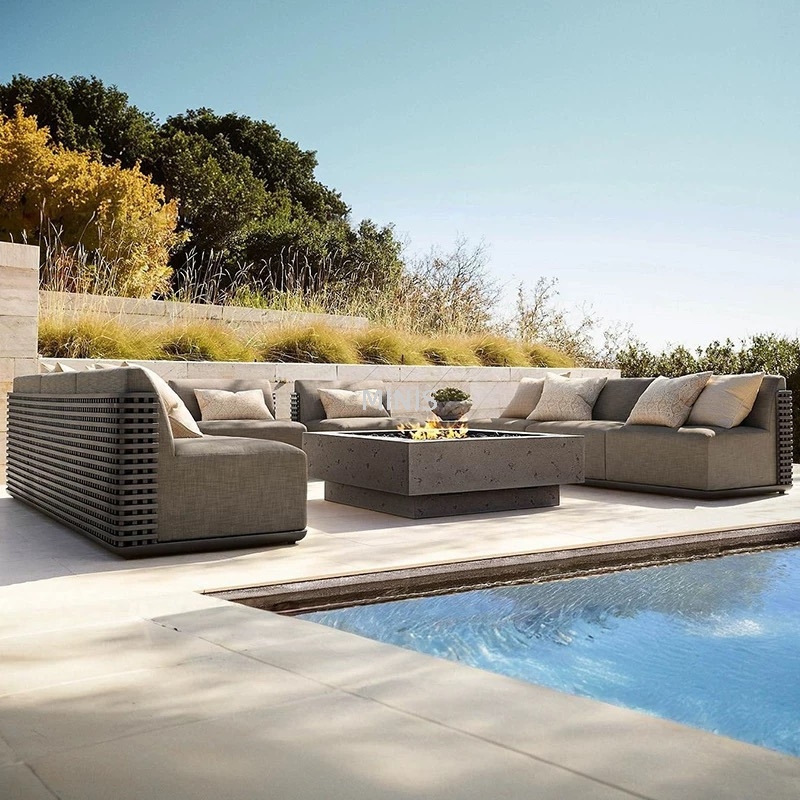
The wooden frame provides the structural foundation. However, the cushions determine daily usability. They serve as the true waterproofing engine. You must scrutinize the covers meticulously. Ignore cheap printed polyesters entirely. They fade quickly and tear easily. Instead, demand solution-dyed acrylics. Brands like Sunbrella and Perennials lead the market here. Factories dye the acrylic fibers before weaving them. This process locks the color deep inside the molecular structure. The resulting fabric becomes intensely UV-resistant. It also remains highly breathable. Breathability allows internal vapor to escape freely. This airflow prevents hidden mold outbreaks. The surface aggressively repels liquid droplets.
What sits beneath the fabric matters most. Standard polyurethane foam acts exactly like a dense kitchen sponge. It absorbs rain immediately. It holds the water for days. This invalidates any marketing promises entirely. You must specify reticulated foam instead. The industry calls this open-cell or quick-dry foam. The manufacturing process blasts away the cellular walls. Water passes straight through the porous matrix.
| Foam Type | Cell Structure | Water Retention | Drying Time |
|---|---|---|---|
| Reticulated Foam | Open-cell (Porous matrix) | Extremely Low | 30 - 60 minutes |
| Standard Polyurethane | Closed-cell (Dense) | Extremely High | Days (Prone to mildew) |
Premium cushions feature sophisticated internal engineering. The best designs incorporate thin waterproof membrane linings. These linings sit right below the top fabric layer. They block heavy rain from penetrating deeper. Builders should also install hidden weather-resistant zippers. Exposed zippers leak water constantly. Finally, look underneath the cushion. Premium sets feature porous mesh under-panels. Gravity pulls any trapped liquid downward. The mesh lets this moisture exit the cushion instantly.
Purchasing outdoor furniture requires strategic spatial planning. You must configure your patio sofa set for future flexibility. Operational scalability ensures lasting value. Fixed frames limit your options severely. If one section suffers damage, you lose the whole piece. Modular seating offers distinct operational advantages.
Always evaluate the vertical ground clearance. Some designs sit flush against the patio deck. These flush profiles look sleek but perform terribly. They trap fallen leaves and block wind. They absorb standing deck water like a wick. This restricted airflow stops the underside from drying. Fungi thrive in this dark, damp gap. You need generous leg height. Raised frames allow strong breezes to sweep underneath.
You must balance mobility against structural stability. Genuine timber feels incredibly heavy. This natural density provides an excellent advantage. Heavy frames resist severe storm winds easily. They will not blow across your deck. However, this weight makes seasonal reconfiguration difficult. You might need two people to move larger sections. Factor this immobility into your initial layout strategy.
Navigating the supplier landscape requires strict verification protocols. Sourcing standards differ wildly across the industry. Finding reliable OEM garden furniture takes careful research. Never trust unregulated timber sources. You must demand verifiable ecological documentation.
Commercial buyers face unique purchasing challenges. Hospitality setups require different performance thresholds. You must evaluate potential OEM partners critically. Scrutinize their Minimum Order Quantities carefully. Ask about specific customization capabilities. Hotels often need to adjust cushion density for high-traffic areas. Discuss the exact lead times for replacement parts. Delays disrupt business operations significantly.
A weak warranty reveals a substandard product. You need to define trustworthy warranty metrics. Quality manufacturers offer extensive coverage plans. Expect at least five years covering structural frame integrity. You should secure three to five years protecting fabric against rot. Read the fine print thoroughly. Many brands sneak in clever escape clauses. Warn your team against policies voided by "normal weather exposure". Outdoor furniture must survive the weather by definition.
Securing genuine durability requires strict adherence to material benchmarks. Always demand Grade A heartwood combined with open-cell reticulated foam. Pair these core components seamlessly alongside solution-dyed acrylic textiles and marine-grade hardware. Evaluating these specific metrics critically upfront minimizes long-term replacement burdens. Do not let beautiful aesthetics blind you to structural realities.
Take actionable steps before finalizing your purchase. Request physical fabric swatches to test liquid repellency yourself. Ask the supplier to produce valid FSC or SVLK wood certification documents. Finally, review modular configuration dimensions carefully to ensure optimal patio airflow. These deliberate steps guarantee your investment survives harsh seasons beautifully.
A: While the frame can withstand the elements, using breathable, waterproof covers significantly extends the lifespan of the cushions and reduces cleaning time.
A: No. Oiling is a cosmetic choice that does not improve natural water resistance and can actually encourage mildew growth in damp environments.
A: The wood dries quickly; if equipped with reticulated foam and mesh-bottom cushions, the seating can be usable within 30 to 60 minutes after the rain stops.
A: Yes, teak's density allows it to survive freezing conditions without cracking, but cushions should be stored indoors to prevent ice damage to the fabric fibers.


