
 English
Views: 0 Author: Site Editor Publish Time: 2026-07-10 Origin: Site


Fine dining procurement presents a distinct, unavoidable tension. Seating must deliver uncompromising aesthetic luxury to satisfy high guest expectations. Simultaneously, it must endure brutal commercial wear and tear. Choosing the wrong seating guarantees rapid physical degradation. You risk compromised guest comfort and highly disruptive replacement cycles. When seating fails, it directly halts daily restaurant operations. A well-chosen chair silently reinforces your brand's prestige.
We designed this guide for architects, interior designers, and hospitality procurement teams. It provides a strict evaluation framework for specifying high-end commercial seating. You will learn how to balance stunning visual design against rigorous structural demands. We will cover engineering standards, fabric specifications, and smart sourcing strategies. Ultimately, you can confidently specify seating to elevate the dining experience. This ensures you protect your capital investment and maintain operational efficiency over time.
Many designers fall into the residential trap during initial planning. They source consumer-grade luxury furniture for a commercial hospitality environment. This mistake creates critical compliance and financial risks. Residential chairs cannot withstand constant shifting, frequent spills, and heavy weight loads. They typically fail commercial fire codes and rigorous structural testing standards. A chair built for a residential dining room sees use maybe once a day. Commercial seating handles dozens of guests daily.
Ergonomic design directly influences the tasting menu experience. Multi-course meals demand specialized physical support. Chairs must support an active eating posture throughout the meal. Guests lean forward to eat and lean back to converse. The seating must remain intensely comfortable for two to three-hour continuous seatings. Poor ergonomics rush diners out the door prematurely. Proper support encourages longer stays. Diners order an extra bottle of wine or dessert. This comfort directly increases average check sizes.
Furthermore, a high end dining chair contributes heavily to restaurant acoustics. Upholstered backs and dense seating foam absorb ambient noise effectively. Bare wood or metal frames amplify dining room chatter. You must also consider spatial impact. Chair height dictates interior sightlines. Tall backs create intimate, private booths for guests. Low backs keep the room feeling open and expansive.
Common Mistake: Prioritizing visual aesthetics over weight limits often leads to broken frames. A delicate spindle chair might look striking in a rendering. However, it fails basic safety requirements.
Best Practice: Always confirm a minimum static weight capacity of 300 pounds per seat before approving any design.
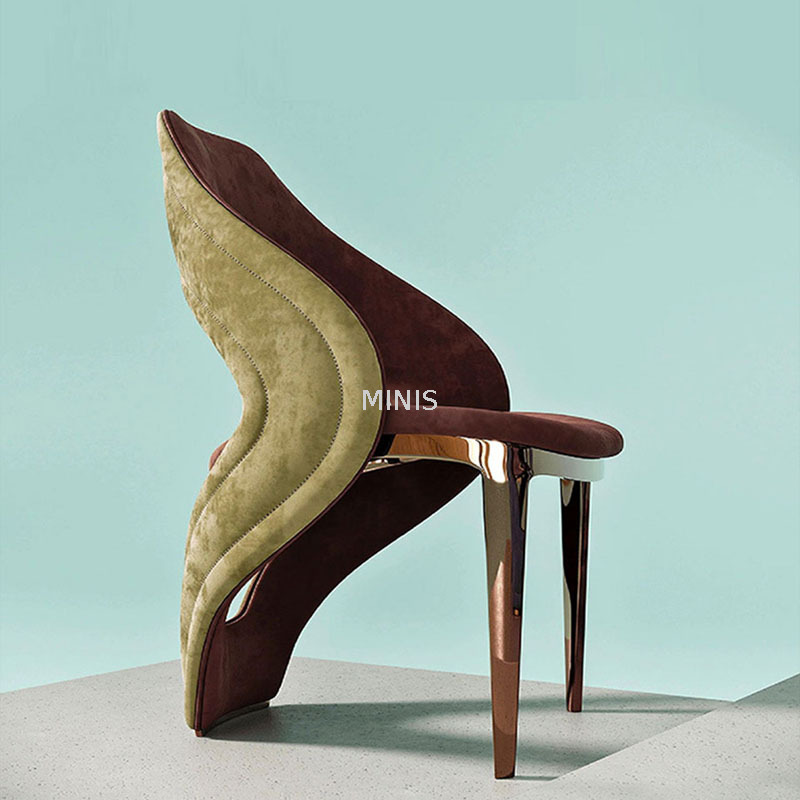
Commercial environments demand hidden structural strength beneath beautiful exteriors. Frame construction remains the most critical longevity factor. Wood frames require kiln-dried hardwoods like ash, beech, or oak. The kiln-drying process removes moisture to prevent future warping. Manufacturers must use corner-blocked, glued, and screwed joints. Simple dowel joinery snaps easily under pressure.
For metal frames, demand fully welded joints. Screwed metal frames loosen quickly over time. Specify heavy-gauge steel or thick aluminum. Finishes must feature commercial-grade powder coating or robust plating. These treatments prevent unsightly chipping.
Standard foam collapses rapidly under daily commercial use. It loses shape and comfort within a few short months. You must specify high-resiliency (HR) foam instead. HR foam maintains its cellular structure after thousands of compressions. It delivers a firm but yielding sit. Additionally, suspension systems matter deeply. Look for commercial webbing or sinuous steel springs. These systems prevent the dreaded "bottoming out" feeling during long meals.
Upholstery selection requires navigating harsh maintenance realities. Commercial textiles face relentless abrasion. You must specify fabrics achieving 50,000 to over 100,000 double rubs on the Wyzenbeek scale. Anything less will pill and tear prematurely.
Stain resistance and cleanability keep your dining room pristine. Crypton fabrics and performance velvets repel liquid instantly. Spilled wine beads up instead of soaking in. Commercial-grade vinyl or leather offers effortless wipe-down capabilities between seatings.
Finally, fire retardancy compliance is legally mandated. Hospitality venues face strict municipal fire codes. Ensure all upholstery and foam meet CAL 117 or BS 5852 standards. Non-compliant seating poses severe safety hazards and invites immediate closure by inspectors.
| Material Feature | Residential Standard (Avoid) | Commercial Standard (Require) |
|---|---|---|
| Wood Joinery | Basic dowels and glue | Mortise-and-tenon, corner-blocked |
| Foam Density | Low-density standard foam | High-resiliency (HR) foam |
| Fabric Durability | 15,000 double rubs | 50,000+ double rubs |
| Suspension | Elastic straps | Sinuous springs or heavy-duty webbing |
You must calculate the true functional footprint of each chair. A chair occupies more space once a guest actually sits down. You must factor in the necessary pull-out space. Staff navigation pathways require strict, uncompromising dimensions. Always maintain a minimum of 36 inches between seat backs. This spacing ensures seamless tray service. It prevents guest claustrophobia and protects staff from tripping.
Perfectly paired elegant dining chairs require precise vertical measurements. Ensure armrests easily clear the table apron. Diners must pull themselves close to the plate comfortably. Maintain a standard 10 to 12-inch vertical gap. This gap sits exactly between the seat height and the tabletop surface. It provides ample legroom for diverse body types.
You must balance structural heft against physical maneuverability. A chair needs enough weight to feel substantial. However, excessive weight creates daily service nightmares. Staff must seamlessly assist guests into their seats. They also reset the dining room multiple times per shift. Include built-in commercial floor glides. These glides ease movement across carpets or hard floors. They also protect your expensive flooring from deep scratches.
Best Practice: Ensure at least five percent of your seating plan accommodates accessibility requirements. This often involves planning wider clearance paths and selecting easily movable chairs without restrictive armrests.
Sometimes, standard off-the-shelf catalogs fall short of your vision. A unique brand identity often demands a custom dining chair. Bespoke silhouettes help define a signature interior atmosphere. You might need highly specific wood stains to match existing millwork perfectly. Integrating a Customer's Own Material (COM) ensures total design cohesion. This approach links the seating directly to your drapery or wall coverings.
Direct-to-manufacturer partnerships offer immense strategic advantages. Partnering directly with an OEM dining furniture supplier provides scalable quality control. It also bypasses hefty intermediary retail markups. Value-engineering plays a crucial role in these relationships. Factory experts adapt high-end conceptual designs into durable commercial products. They retain your visual elegance while secretly reinforcing internal joints.
Here are the core steps in the value-engineering process:
Custom solutions usually involve Minimum Order Quantities (MOQs). Plan your procurement strategy very carefully. Align factory production schedules with your construction critical paths. Always factor in ocean transit and potential customs delays. Missing an opening date due to delayed seating creates massive financial losses.
Never skip the physical prototyping phase. Ordering a prototype sample is absolutely mandatory before a full rollout. Digital renderings lie about scale and comfort. A physical prototype lets you conduct a real-world sit test. You can verify finish accuracy under your actual restaurant lighting. It reveals potential flaws before mass production begins. You can adjust the foam density or back angle immediately.
Examine the fine print on commercial warranties carefully. Do they cover structural frame failures or just the finish? Ensure the vendor provides readily available replacement parts. You will eventually need replacement floor glides and wood touch-up kits. Accessible reupholstery support extends the usable life of your initial investment.
Transit damage threatens every single project timeline. A fully assembled restaurant dining chair occupies significant shipping volume. Mitigate these risks through strict shipping requirements. Emphasize blanket-wrapped shipping for local or regional deliveries. For long-distance freight, demand reinforced boxing. Boxes must include internal edge protectors and rigid corner supports. Do not accept flat-pack solutions for fine dining environments. Assembly on-site introduces unnecessary structural risks.
Ultimately, decision-makers must treat dining seating as heavily utilized commercial equipment. They are not merely decorative assets. Visual design remains crucial for fine dining ambiance. However, you must prioritize structural specifications and ergonomic testing equally. Ignoring durability inevitably leads to early frame failure and guest dissatisfaction.
Follow these final action steps for successful procurement:
Taking these deliberate steps ensures your seating investment withstands the rigors of daily service. You will secure a luxurious, comfortable, and highly functional dining environment.
A: Commercial dining chairs require fabrics with a minimum of 50,000 double rubs on the Wyzenbeek scale. For heavy-use fine dining environments, specify textiles exceeding 100,000 double rubs. This ensures the upholstery resists pilling, thinning, and tearing under constant daily friction.
A: Demand commercial-grade construction techniques. Specify kiln-dried hardwood frames, corner-blocked joinery, and high-resiliency foam. Most importantly, mandate a physical prototype. A prototype allows you to conduct stress tests and verify structural integrity before authorizing the full production run.
A: OEM manufacturers bypass retail markups, offering significant cost-efficiency at scale. They allow you to customize exact dimensions, stains, and fabrics. Additionally, OEM partners provide robust commercial-grade warranties and value-engineering services rarely found in consumer-focused retail brands.
A: The standard seat height for a fine dining chair is 18 to 19 inches from the floor. This dimension pairs perfectly with standard 30-inch commercial dining tables. It guarantees the necessary 10 to 12-inch vertical gap for optimal guest legroom.
