
Views: 0 Author: Site Editor Publish Time: 2026-07-12 Origin: Site


Standard low-profile seating often leaves you shifting uncomfortably after mere minutes. They lack the upper body framing necessary for genuine relaxation outdoors. Conversely, high-back designs solve this problem immediately. They provide critical cervical and lumbar support for extended sitting sessions. However, investing in natural wood requires setting realistic expectations. You must consider long-term lifecycle realities and maintenance schedules carefully. Buyers should frame their purchasing decision around three core pillars. These include anatomical support, verified structural durability, and wood treatment realities. We will explore how to evaluate and shortlist the perfect outdoor garden chair. You will learn to navigate heavy-duty load capacities and authentic joinery. This knowledge helps you secure the right fit for residential or commercial use. Follow this guide to avoid falling for exaggerated zero-maintenance marketing claims.
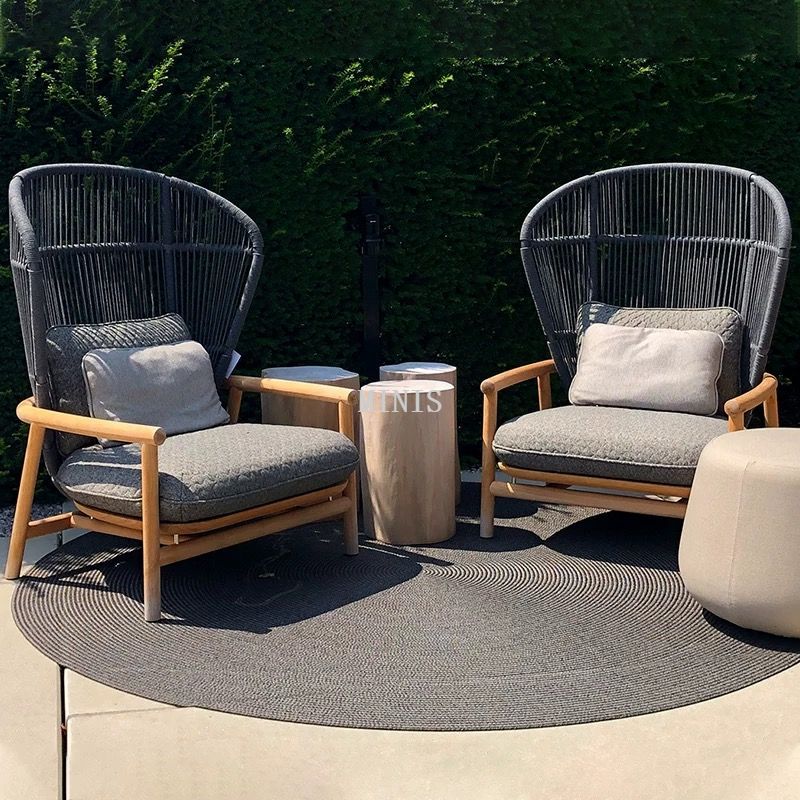
Biomechanical differences matter greatly in furniture design. A standard chair backrest usually stops below the shoulders. This forces your lower spine to carry excess upper body weight. Poor posture eventually leads to lower back fatigue. A well-designed high back garden chair changes this dynamic entirely. Higher backrests distribute upper body weight evenly. They significantly reduce localized spine pressure during use. They support the neck, shoulders, and full spine simultaneously. This structural support mimics indoor ergonomic seating closely.
You should pay attention to the lumbar curve. Flat wooden boards offer terrible spinal alignment. Premium models incorporate a slight forward curve near the base. This curve fills the natural gap in your lower back. Proper framing eliminates the slouching habit entirely. We highly recommend testing the lumbar depth before buying. It drastically alters your physical comfort outdoors.
Look at Amish-style craftsmanship for excellent design inspiration. Many premium models feature a contoured top-edge design. We call this the roll-back feature. It prevents hard edges from digging into your neck or thighs. The smooth curvature supports your body naturally. It eliminates pressure points commonly found in rigid wooden frames. Manufacturers achieve this curve through precise steam bending or careful cutting.
Sharp seat edges restrict blood flow to your lower legs. The roll-back edge on the seat pan prevents this numbness. Your thighs rest gently against a rounded surface instead. This small detail separates luxury seating from basic retail options. It proves essential for anyone seeking genuine relaxation. A common mistake is buying chairs featuring purely square edges. They look modern but feel terrible after twenty minutes.
Ergonomic shifts extend your comfortable seating time substantially. Industry professionals call this the time-in-chair metric. It proves critical for hospitality spaces and restaurants. It also matters greatly for primary outdoor dining areas at home. Guests stay longer when they feel physically supported. Comfort directly influences their overall dining experience.
Consider a commercial patio environment carefully. Thirty extra minutes in a comfortable chair increases dessert and coffee sales. For residential users, it means hosting longer evening gatherings effortlessly. Nobody wants to abandon a beautiful patio because their back hurts. Investing in ergonomic framing maximizes the usability of your outdoor space. It transforms a decorative patio into a highly functional living area.
Not all lumber survives outside equally. Compare wood species thoroughly before buying wooden outdoor furniture. Teak offers high oil content but carries a high cost. Its cellular structure naturally repels standing water. Cedar resists rot naturally while remaining slightly softer to the touch. It also deters damaging insects effectively. Pressure-treated pine provides a highly cost-effective alternative. However, pine requires consistent chemical sealing to prevent rapid decay.
| Wood Species | Natural Weather Resistance | Relative Cost | Defining Characteristic |
|---|---|---|---|
| Teak | Excellent | High | High natural oil content repels water |
| Western Red Cedar | Good | Medium | Natural rot and insect resistance |
| Pressure-Treated Pine | Moderate | Low | Requires frequent manual sealing |
| White Oak | Very Good | High | Closed cellular structure prevents rot |
You must select a species matching your local climate. Humid environments demand high-oil woods like teak or treated oak. Dry environments allow for cedar usage safely. Matching the material to your weather prevents premature structural failure.
Transparency around weather-treated labels is absolutely essential. Unsealed wood will inevitably silver or gray over time. Lignin degradation causes this color change naturally. Chemical treatments delay this process but never stop it completely. Natural aging occurs due to UV exposure and daily moisture fluctuations. Many buyers mistakenly believe treated wood keeps its showroom color forever.
Modern treatments often include UV inhibitors and fungicides. These chemicals protect the cellular structure from invisible damage. However, surface-level treatments wear off through seasonal abrasion. You must understand the difference between penetrating oils and surface sealers. Penetrating oils nourish the wood fibers deeply. Surface sealers create a plastic-like film over the grain. We recommend penetrating oils for a more natural aging process.
You must adopt a realistic annual maintenance schedule. This routine builds trust in your furniture's long-term longevity. Avoid believing any claims of maintenance-free natural wood. All natural materials require dedicated seasonal upkeep.
Skipping this maintenance accelerates structural degradation rapidly. Minor cracks expand into major splits during freezing weather. A single hour of annual maintenance adds years to your chair's lifespan.
Legitimate heavy-duty chairs undergo strict mechanical engineering. They must legitimately claim a 500-lb or 600-lb weight capacity. You should look for designs referencing ANSI or BIFMA testing standards. Thicker stock wood becomes an absolute necessity here. Manufacturers typically use 5/4 lumber for these robust designs. Standard 4/4 lumber often flexes dangerously under heavy loads.
Structural bracing under the seat prevents eventual sagging. Look for diagonal supports connecting the legs to the seat frame. These braces distribute weight forces evenly across the entire structure. They prevent the chair frame from racking side to side. True load-bearing capacity relies on geometry just as much as material thickness.
You must scrutinize the hardware used in final assembly. Instruct buyers to demand rust-proof hardware exclusively. Look specifically for 304 or 316 marine-grade stainless steel fasteners. Do not settle for cheaper zinc-plated screws under any circumstances. Zinc rusts quickly when exposed to frequent rain. This rust eventually bleeds into the wood, causing ugly black stains.
Furthermore, joinery methods define long-term overall stability. Dowel or mortise-and-tenon joints show true woodworking craftsmanship. They vastly outperform simple butt joints held strictly by glue. Mortise-and-tenon joints allow for natural wood expansion. They absorb seasonal humidity changes without cracking the frame. Best practices dictate avoiding any chairs assembled entirely using metal brackets.
Base construction demands your strict attention next. Placing rigid wooden furniture on natural stone introduces severe adoption risks. Uneven patio seating surfaces cause wobbly chairs immediately. This rocking motion stresses the joinery unnecessarily. It eventually loosens the entire chair frame.
Leg leveling systems help mitigate this annoying issue completely. They ensure the chair remains stable across varied landscape terrains. Some premium models feature adjustable nylon glides on each leg. You twist them slightly to accommodate sloped concrete or flagstone. Never drag heavy wooden chairs across rough concrete surfaces. This practice splinters the bottom grain and invites ground moisture upward.
Buying from consumer big-box stores makes sense occasionally. Retailers serve casual residential needs quite well. However, commercial projects quickly surpass retail viability thresholds. Flat-pack retail furniture often wobbles after one busy season. Outfitting a busy restaurant patio requires a much different approach. You need scalable durability.
You should source directly from an OEM outdoor chair manufacturer instead. Bulk purchasing direct from the factory ensures better aesthetic consistency. It also bypasses retail markups significantly. Factory direct communication eliminates misunderstandings regarding minimum order quantities. They understand the grueling demands of hospitality environments perfectly.
OEM sourcing unlocks valuable customization options easily. Buyers can specify commercial-grade sealants before final production begins. They can also request precise dimensional tweaks without huge delays. Elevated seat heights often improve ADA accessibility for elderly guests. Minor adjustments make a massive difference in public comfort.
Reinforced joinery becomes a standard request during quality assurance checks. You can mandate thicker tenons or double-doweling on critical stress points. Quality assurance teams at OEM facilities monitor these specific requests closely. They ensure every single unit matches your exact commercial specifications. Retail outlets cannot offer this level of granular structural control.
Commercial warranties differ greatly from standard residential ones. You must verify structural guarantees thoroughly before signing purchasing contracts. A one-year residential warranty means nothing in a commercial setting. Ask the manufacturer for verifiable load-testing documentation upfront. This paperwork proves the chair can withstand heavy public use safely.
Understand what the warranty actually covers in reality. Most warranties cover structural frame failure exclusively. They rarely cover cosmetic wood aging or surface finish degradation. Clarifying these terms prevents costly disputes later. Always document your annual maintenance routines meticulously. Manufacturers often require this proof to honor structural warranty claims later.
High-back models require specific clearance measurements to function well. You must calculate the exact footprint width carefully. Push-back depth also matters for comfortable patio seating arrangements. These chairs typically demand larger turning radiuses than standard low-profile versions. Always allow at least thirty-six inches of clearance behind dining tables.
Armrest height presents another common space planning challenge. High-back chairs often feature elevated, robust armrests. You must measure the clearance under your outdoor tables accurately. If the arms cannot slide underneath, the chair consumes extra floor space constantly. Proper space planning prevents a cramped, frustrating dining environment.
Present a logical decision matrix for your final purchase. Compare the upfront cost of premium woods carefully against cheaper options. Weigh these numbers against the replacement cycle of flat-pack alternatives. Cheaply made furniture often fails completely after two harsh winter seasons. You end up buying the same chairs repeatedly.
Premium treated woods last several decades under proper care. The initial investment pays off smoothly through extended structural longevity. Paying four hundred dollars for twenty years of use makes logical sense. Paying one hundred dollars every three years wastes your money entirely. Evaluate your budget through this long-term lens strictly.
Actionable steps finalize the shortlisting process confidently. Follow this checklist before submitting your final payment.
Completing these steps removes the guesswork from buying furniture online. It forces the supplier to prove their quality claims transparently.
The best high-back wooden chairs balance two main factors flawlessly. They combine anatomical comfort with uncompromising structural integrity seamlessly. Evaluating hardware choices protects your initial investment significantly over time. Wood treatment transparency and verified load capacities remain equally important considerations. They prevent premature structural failure during harsh weather seasons. Take action today by measuring your outdoor space accurately. Evaluate your personal willingness to perform annual sanding and sealing. Finally, request a detailed spec sheet from a trusted factory supplier to verify their engineering claims.
A: Properly contoured roll-back designs offer excellent standalone comfort. The curved wood supports your spine naturally without padding. However, adding weather-resistant cushions can extend your comfort further. They prove especially useful for multi-hour seating sessions outdoors. Ensure you choose quick-drying foam if leaving cushions outside.
A: This timeline depends heavily on your local climate conditions. Generally, you should apply sealant every one to two years. This routine provides full UV and moisture protection consistently. Harsher environments may require annual applications for optimal defense against rot.
A: We strongly advise winterizing your wooden furniture properly. Covering the chairs helps shield them from heavy snow accumulation. Storing them in a dry environment is even better. This prevents freeze-thaw cycles from severely damaging the structural joinery.
A: Dining chairs typically feature a seat height around 17 to 18 inches. This aligns perfectly with standard outdoor dining tables. Conversely, lounging models utilize deeper Adirondack-style heights. These usually sit lower to the ground for a relaxed, reclining posture.


