
Views: 194 Author: Site Editor Publish Time: 2025-10-11 Origin: Site


Dining chairs take center stage in most households—they anchor family meals, holiday gatherings, and daily conversations. Over time, however, even the best-made chairs can show signs of wear. Fabrics fade, padding flattens, and small stains accumulate until the chairs no longer reflect the style or comfort you want in your dining space. Reupholstering offers a practical and creative solution: instead of replacing your dining chairs, you can breathe new life into them with fresh fabric and cushioning. This process not only saves money but also allows you to customize chairs to match your interior design.
Before beginning, gather the right tools and supplies. Having everything prepared ensures smoother progress and avoids mid-project interruptions.
| Tools | Materials |
|---|---|
| Staple gun & staples | Upholstery fabric |
| Flathead screwdriver or staple remover | Foam padding |
| Scissors & measuring tape | Batting |
| Pliers | Dust cover (cambric) |
| Drill (if removing seats) | Fabric spray protector |
Each item has a specific role. For example, the staple gun secures fabric tightly to the seat base, while batting smooths the padding for a more polished finish. Choosing durable upholstery fabric is essential, especially for dining chairs that undergo heavy daily use. Consider stain-resistant fabrics like polyester blends, leatherette, or outdoor-grade textiles for long-lasting results.
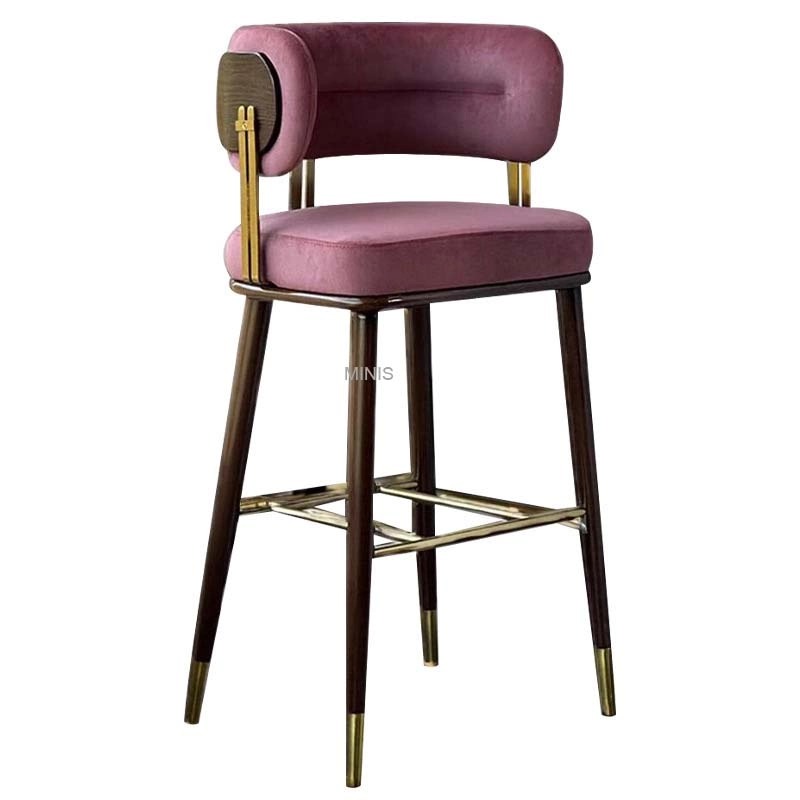
Most dining chairs have seats screwed into the frame from underneath. Start by turning the chair upside down and using a drill or screwdriver to detach the seat base. Once removed, inspect the old upholstery. Carefully pry out the staples with a flathead screwdriver and pliers. Patience is important—ripping fabric away too quickly can splinter the wooden base or damage foam you might want to reuse.
In many cases, the original padding will be flattened or stained. This is the perfect opportunity to upgrade the cushioning. However, if the foam remains resilient and clean, you can reuse it to save time and cost. Removing the fabric gives you a template for cutting your new upholstery pieces later, so avoid discarding it until your new fabric is ready.
Comfort is just as important as appearance when reupholstering dining chairs. Once the old fabric is removed, assess whether new foam is needed. Foam typically comes in varying thicknesses; for dining chairs, 1 to 2 inches of medium-density foam is ideal. Cut the foam to match the seat base dimensions using scissors or an electric carving knife for precision.
Next, add a layer of batting over the foam. Batting serves two purposes: it rounds the edges for a softer silhouette and prevents fabric from wearing directly against the foam. Place the batting over the foam, then flip the seat so the wooden base faces up. Pull the batting snugly and staple it around the perimeter. Trim away any excess to reduce bulk. A neatly prepared base makes the final upholstery step easier and ensures a professional finish.
Selecting the right fabric is where style meets function. Upholstery fabric for dining chairs should balance durability, ease of cleaning, and design appeal. Popular options include:
| Fabric Type | Benefits | Considerations |
|---|---|---|
| Cotton blend | Breathable, affordable | May stain easily without protector |
| Polyester | Durable, wide variety of colors | Can feel less natural |
| Faux leather | Easy to wipe clean, sleek look | Sensitive to sharp objects |
| Linen | Classic texture, upscale feel | Wrinkles and stains quickly |
| Outdoor fabric | Stain-resistant, UV-protected | Slightly stiff texture |
Once fabric is chosen, cut it to size. Leave at least 3–4 inches of extra material around the seat’s perimeter to allow for stapling and adjustments. Patterned fabrics require careful alignment. If your fabric features stripes, florals, or geometric prints, use the old fabric as a guide and ensure patterns are centered before cutting. Consistency across multiple chairs enhances the finished set’s visual appeal.
Now comes the transformative step: attaching new fabric to the seat. Lay the cut fabric face down on a clean surface, center the foam-padded seat upside down on top, and begin stapling. Start with one staple in the middle of each side, pulling fabric taut before securing. Alternate sides to maintain even tension and prevent skewed alignment.
Work outward from the center staples toward the corners, adding staples every inch or so. Keep fabric smooth by tugging gently before each staple. Corners require extra care—fold fabric neatly like wrapping a gift, avoiding bulky overlaps. Trim away excess material after stapling, leaving about half an inch beyond the staple line for durability.
For an added professional finish, attach a dust cover (thin black fabric) to the underside of the seat. This conceals raw edges and provides protection against dust accumulation. Secure the dust cover with staples in the same manner as the upholstery fabric.
With fabric securely in place, reattach the seat base to the chair frame. Align the screw holes, then fasten using the original screws or replacements if any have worn threads. Check that the seat sits flush with the frame and does not wobble. If multiple chairs are being reupholstered, complete this reassembly for each one before testing them at the dining table.
Reupholstered dining chairs should not only look refreshed but also feel comfortable and stable. Sit on each chair to ensure firmness and comfort. If any chair squeaks or shifts, tighten the screws further or reinforce weak joints before putting them into everyday use.
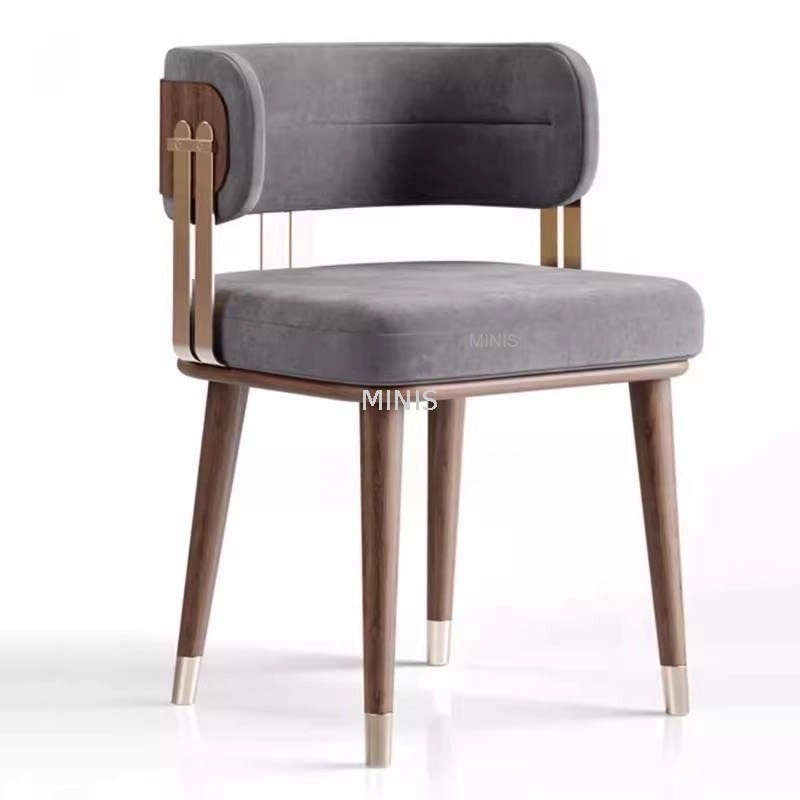
Reupholstering offers more than functionality—it’s also a chance to enhance your dining space’s design. Coordinating fabric colors with wall tones, table finishes, or curtains creates a cohesive look. For a bold statement, try mixing fabrics: use a solid neutral for most chairs and a patterned fabric for accent chairs at the table ends.
To maintain your chairs, apply a fabric protector spray that repels liquids and reduces staining. Regular vacuuming keeps dust and crumbs from embedding in the fibers. For households with children or pets, opt for wipeable fabrics like faux leather or performance polyester to extend longevity. Avoid placing chairs in direct sunlight for long periods, as UV rays can fade even the most durable fabrics.
Reupholstering dining chairs yourself is not only satisfying but also cost-effective. Professional upholstery services can charge between $50 and $200 per chair depending on fabric and labor, while a DIY project often costs less than half that, especially if you already own basic tools.
| Option | Average Cost Per Chair | Pros | Cons |
|---|---|---|---|
| DIY | $20–$60 | Customization, savings, skill building | Time-intensive, requires tools |
| Professional | $75–$200 | Expert finish, less effort | Higher cost, limited fabric control |
Beyond financial savings, the DIY approach gives you creative freedom to experiment with textures, colors, and patterns that may not be available through retailers. It also extends the lifespan of your furniture, reducing waste and supporting sustainable living practices.
Learning how to reupholster dining chairs combines practicality with creativity. By carefully removing old upholstery, preparing fresh padding, selecting durable fabrics, and reattaching the seat, you can completely revitalize a dining set. The process may take a few hours per chair, but the results provide long-lasting comfort, personal style, and significant cost savings. Rather than discarding worn chairs, reupholstery gives them new purpose and charm, ensuring they remain a central part of your home gatherings for years to come.
1. How long does it take to reupholster dining chairs?
On average, it takes 1–2 hours per chair depending on your experience, the chair’s design, and whether new foam is required.
2. Can I reupholster dining chairs without removing the old fabric?
It’s possible if the old fabric is thin and intact, but removing it usually produces a cleaner finish and prevents bulkiness.
3. What fabric is best for dining chairs?
Durable, stain-resistant fabrics such as polyester blends, faux leather, or outdoor performance fabrics are ideal for dining chairs.
4. Do I need special tools to reupholster chairs?
Basic tools like a staple gun, screwdriver, scissors, and pliers are usually enough. Optional tools like an electric carving knife for foam make the process easier.
5. Is reupholstering cheaper than buying new chairs?
Yes, in most cases. DIY reupholstery costs significantly less than purchasing a new set, particularly if the chair frames are still strong and stable.


