
Views: 0 Author: Site Editor Publish Time: 2026-01-09 Origin: Site


Living by the coast means beautiful views but tough conditions for your Outdoor Chairs. Intense winds, saltwater, and moisture can quickly degrade your Outdoor Chairs. In this guide, we’ll explore the most durable Outdoor Chairs built to withstand these challenges. By choosing the right materials, you can ensure your furniture remains stylish and functional, no matter the weather.
HDPE is a top choice for coastal climates due to its resistance to moisture, salt, and rot. This heavy-duty material’s dense structure helps it stand firm against strong winds, making it ideal for high-wind areas. Additionally, HDPE furniture requires minimal maintenance, which is perfect for busy coastal homeowners who prefer hassle-free outdoor spaces.
This material is highly durable and resistant to fading, cracking, and splintering, ensuring that outdoor chairs made from HDPE continue to perform well throughout their lifespan. Opting for solid HDPE pieces instead of hollow ones increases both stability and durability, providing the weight needed to resist strong gusts of wind.
Teak has long been revered for its natural durability and is considered one of the best materials for outdoor furniture, particularly in coastal areas. The high oil content in teak makes it resistant to rot, moisture, and pests. Its weight ensures stability, making it a reliable option even during high winds. Over time, teak weathers into a silvery-grey patina, which adds a natural charm to outdoor spaces.
Teak also handles saltwater exposure better than most other woods, making it perfect for coastal environments. While it requires some maintenance, like oiling or sealing to maintain its golden-brown hue, it remains one of the most durable options for outdoor chairs in coastal areas.

For those seeking a sleek, modern aesthetic, 316 marine-grade stainless steel is an excellent choice. It is specifically designed to resist corrosion from saltwater, making it ideal for coastal areas where salt exposure is a constant concern. This material provides the strength needed to withstand high winds while offering a contemporary design that complements modern outdoor spaces.
316 stainless steel contains molybdenum, which improves its resistance to saltwater corrosion, ensuring that the furniture maintains its integrity and appearance for years to come. It’s an excellent material for furniture frames and slatted seating, providing both style and strength.
For outdoor chairs in high-wind areas, low-profile, wide-legged designs are essential. These chairs have a lower center of gravity and a wider base, which minimizes the likelihood of tipping over in strong winds. The design allows wind to pass over and around the chair, reducing the pressure that could cause it to become airborne.
Wide-legged chairs or low-profile seating options provide both stability and comfort. These designs are ideal for coastal and high-wind areas, where furniture needs to be securely anchored in place without the risk of being blown away. By focusing on low-slung and wide-legged designs, you create an outdoor space that is both functional and resistant to the elements.
In high-wind areas, design plays a crucial role in reducing wind resistance. Chairs with slatted or open-weave designs allow wind to pass through instead of pushing against the furniture. These designs not only enhance stability but also add a modern touch to your outdoor space. The following table showcases various design styles, their applications, technical features, and key considerations to help you choose the most suitable furniture for high-wind environments.
| Design Style | Application | Technical Features | Considerations |
|---|---|---|---|
| Slatted Back Design | Ideal for chairs with thinner backs, suitable for patios and gardens in high-wind areas | Helps reduce wind pressure and minimizes the risk of furniture tipping over | Choose wider slats to ensure wind passes through without causing pressure buildup. |
| Open-Weave Design | Suitable for woven or hanging chairs, commonly found on balconies or seaside resorts | Allows wind to pass freely, reducing the impact of wind pressure, and offers a stylish look | Ensure the woven material is durable and UV-resistant to prevent damage from sun exposure. |
| Mesh Seat Design | Used for outdoor chairs and sofas in high-wind areas | Simple design that reduces wind resistance; perfect for tropical and coastal environments | Check the mesh density to ensure comfort and durability, as overly large openings may affect seating comfort. |
Tip: Choosing the right open-style design can effectively increase furniture stability and prevent accidental movement in high winds.
Even the most durable outdoor chairs can be at risk of being moved or blown away if not properly secured. Using anchoring systems like sandbags, planters, or tethers can prevent furniture from being dislodged during storms or high winds. This is especially important for lightweight materials such as aluminum or plastic, which can easily be blown across outdoor spaces.
For chairs in coastal areas, consider using weighted bases or anchoring solutions to ensure the furniture stays in place. This added security reduces the risk of damage during stormy weather and ensures the furniture remains in excellent condition throughout the year.
Saltwater is one of the most corrosive elements in coastal environments. Over time, it can cause significant damage to metals and fabrics. Materials such as marine-grade stainless steel, powder-coated aluminum, and treated wood can stand up to the corrosive effects of saltwater, ensuring that your outdoor furniture lasts longer. These materials are designed to resist rust and corrosion, even when exposed to harsh coastal conditions.
Regularly cleaning outdoor furniture with fresh water helps remove salt deposits, preventing corrosion from affecting the furniture's integrity. Applying protective coatings to metal parts and treating wood with sealants or oils can further enhance their resistance to saltwater damage.
UV rays can cause fabrics to fade and degrade over time, particularly in coastal areas where the sun’s rays are intense. It’s essential to select outdoor furniture cushions and fabrics that are resistant to UV exposure. Fabrics like Sunbrella® acrylic are known for their ability to resist fading, mildew, and staining, making them perfect for harsh coastal climates.
Investing in UV-resistant fabrics ensures that your outdoor cushions and upholstery remain vibrant and durable despite prolonged sun exposure. These fabrics are specially designed to withstand fading and degradation, ensuring that your furniture continues to look fresh for years.
Coastal environments can be harsh on outdoor furniture, with salt, sand, and moisture accumulating quickly. Materials like HDPE poly lumber and powder-coated aluminum are easy to clean and require minimal upkeep, which makes them perfect for high-moisture areas. Regularly cleaning with fresh water helps remove salt deposits, ensuring the longevity of your furniture.
Choosing low-maintenance furniture materials reduces the time and effort required to keep your outdoor chairs looking great. This is particularly beneficial for homeowners in coastal regions who prefer furniture that requires less attention and care.
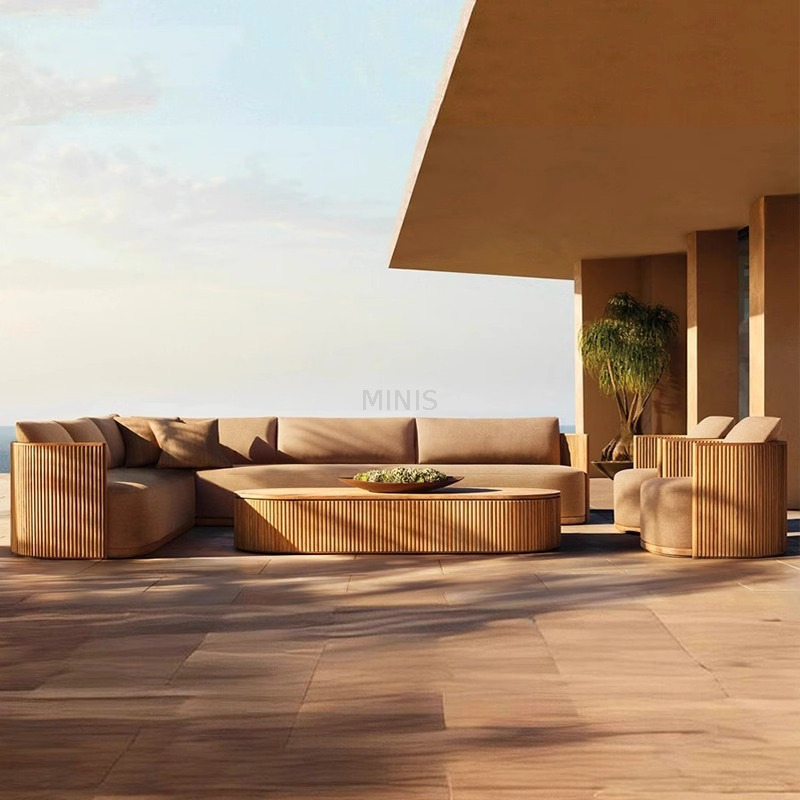
The weight of outdoor furniture plays a crucial role in ensuring stability in high-wind areas. Heavier materials help prevent furniture from tipping or being displaced by strong gusts. Below is a table detailing the benefits of heavy, stable materials, their wind resistance, and considerations for their use in high-wind outdoor settings.
| Material | Weight Characteristics | Wind Resistance | Stability | Considerations |
|---|---|---|---|---|
| Teak | Dense hardwood, naturally heavy, offers stability. | Withstands strong winds due to its weight and density. | Excellent for ensuring stability in high-wind conditions, especially near the coast. | Requires occasional oiling to maintain appearance and prevent moisture-related issues. |
| Cast Aluminum | Heavier than standard aluminum, but lighter than wood or iron. | Wind-resistant due to its weight and durable finish. | Provides a good balance of weight and style for most coastal environments. | Ensure the powder coating is intact to avoid corrosion, particularly in salt-heavy air. |
| Concrete/Stone | Very heavy and virtually immovable in windy conditions. | Exceptional resistance to wind; nearly immovable in extreme weather. | Ideal for public or high-wind areas, such as parks or seaside resorts. | These materials are permanent; moving or rearranging is not easy, making them suitable for fixed outdoor setups. |
Tip: Heavy materials like teak and cast aluminum are ideal for preventing wind-related furniture accidents, while concrete and stone are perfect for permanent installations in windy spaces.
If you prefer lighter furniture, there are ways to enhance its stability. Reinforced aluminum or lightweight chairs with added weights or ballast can still perform well in high-wind conditions. Look for outdoor furniture that combines lightweight materials with features designed to anchor it securely to the ground.
These solutions offer the flexibility of lighter furniture while maintaining the stability required to withstand high winds. Anchoring solutions, such as weighted bases or sandbags, ensure that even lightweight chairs stay grounded.
Design plays a significant role in reducing wind resistance. Low-profile furniture with wide bases or slatted backs allows wind to pass through or around, minimizing the risk of tipping or being blown away. These features make your furniture more aerodynamic and reduce the likelihood of it becoming airborne in strong gusts.
By selecting furniture with these design features, you ensure that your outdoor space remains functional and safe even during high-wind conditions. Low-profile, slatted designs are not only practical but also stylish, adding a modern touch to your coastal environment.
Regular cleaning is key to extending the lifespan of outdoor furniture in coastal climates. Salt buildup and moisture can cause significant damage over time if not properly cleaned. Make it a habit to rinse your furniture with fresh water, especially after exposure to saltwater or heavy rain.
Routine maintenance ensures that your furniture stays in excellent condition year after year. Applying protective coatings to metal parts and treating wood with oils or sealants can prevent premature deterioration.
Protective covers are a great way to shield your outdoor furniture from the elements. High-quality covers designed for outdoor use can prevent damage from rain, salt, and UV exposure. Look for covers that fit snugly and include tie-down straps to keep them secure in windy conditions.
Investing in protective covers ensures that your furniture stays dry, clean, and protected from environmental factors. These covers are especially important during off-seasons or extreme weather conditions.
When extreme weather is expected, storing furniture in a safe location is the best way to protect it. If you don’t have the space for storage, consider using weather-resistant covers and securing your furniture with anchors or weights. Keeping your outdoor chairs in good condition during the off-season will help them last longer.
Proper storage solutions help preserve the appearance and functionality of your outdoor furniture. By storing or covering your furniture during extreme weather, you can ensure that it remains in top condition for years to come.
When selecting outdoor chairs for high-wind areas and coastal climates, durability and resistance to corrosion are crucial. Materials like HDPE poly lumber, teak wood, and 316 stainless steel provide the strength needed to withstand tough conditions. Properly chosen furniture will remain stable, functional, and stylish through the harshest coastal weather. At HANGZHOU REACH BUILDING CO., LTD., we offer high-quality outdoor furniture designed to meet these demands. Our products ensure long-lasting performance, providing both beauty and reliability, ideal for the most challenging environments.
A: Outdoor chairs designed for high-wind areas should be made from heavy-duty materials like teak, HDPE poly lumber, or marine-grade stainless steel, which are resistant to corrosion and provide stability against strong gusts.
A: For outdoor chairs in coastal climates, choose designs with wide legs, low profiles, or slatted backs to minimize wind resistance. Also, consider adding anchoring systems for extra stability.
A: Teak wood has natural oils that make it resistant to saltwater, moisture, and pests. Its weight helps keep outdoor chairs stable in coastal environments with high winds.
A: Regularly clean your outdoor chairs with fresh water to remove salt deposits. Opt for corrosion-resistant materials like powder-coated aluminum or marine-grade stainless steel to enhance durability in coastal climates.
A: Yes, outdoor chairs made from reinforced aluminum or HDPE poly lumber with added weights can remain stable in high winds while being easier to move than heavier materials.


