
Views: 0 Author: Site Editor Publish Time: 2025-09-29 Origin: Site


Did you know office furniture loses value yearly? It's a crucial business asset, impacting financial strategies. Understanding depreciation helps manage costs and optimize investments. In this post, you'll learn how office furniture depreciates, its importance in business, and key concepts to make informed decisions."
Office furniture depreciation means the gradual loss of value over time. When a business buys desks, chairs, or cabinets, these items don't keep their original worth forever. Depreciation accounts for wear and tear, aging, and obsolescence. Instead of expensing the full cost at purchase, businesses spread that cost across the furniture's useful life. This matches expenses to the years the furniture helps generate revenue.
Depreciation works by allocating the purchase cost over several years. For example, if you buy an office chair for $1,000 and expect to use it for 7 years, depreciation spreads that $1,000 cost across those years. Each year, a portion of the chair’s value counts as an expense, reducing taxable income.
The IRS usually classifies office furniture as a 7-year asset for depreciation. This means you can deduct a portion of the furniture’s cost each year for seven years. The depreciation amount depends on the method used and the furniture’s estimated life and salvage value.
● Asset: Office furniture is a business asset because it has value and provides benefits over multiple years. It includes desks, chairs, filing cabinets, and more.
● Useful Life: This is how long you expect the furniture to be useful in your business. For office furniture, it’s commonly 7 years according to IRS guidelines, but it can vary.
● Salvage Value: The estimated value of the furniture at the end of its useful life. It’s what you expect to recover if you sell or scrap the item after using it for several years.
Suppose you buy a filing cabinet for $700 with a salvage value of $100 and a useful life of 7 years. Using the straight-line method, annual depreciation is:
7700−100=7600≈85.71
Each year, you can deduct about $85.71 as depreciation expense for this cabinet.
Depreciation reduces taxable income but does not involve actual cash outflow; it’s an accounting method to spread asset costs over time.
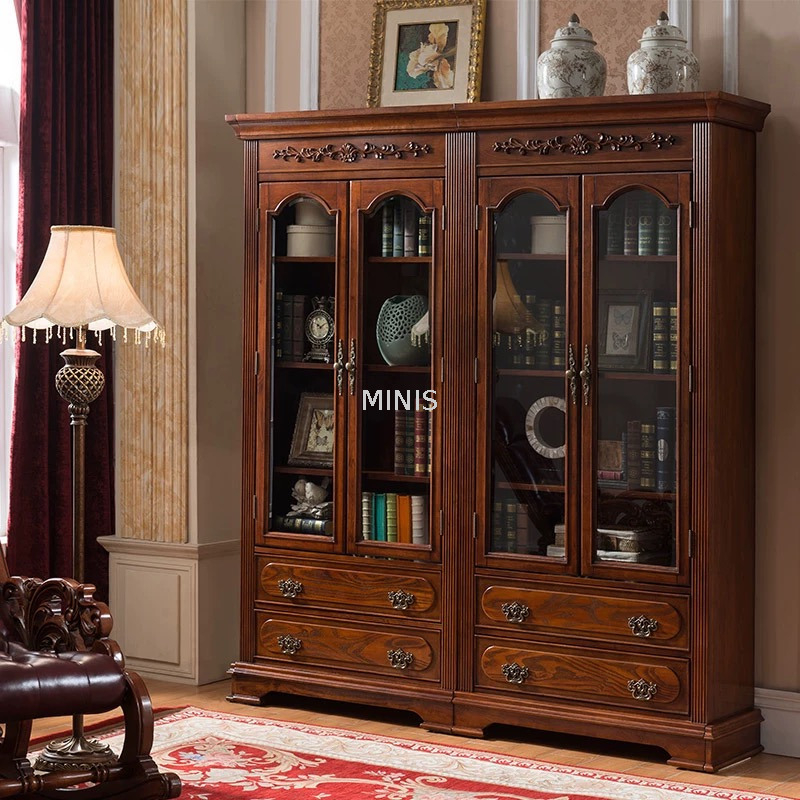
The IRS classifies office furniture as a 7-year property under the Modified Accelerated Cost Recovery System (MACRS). This means businesses generally depreciate office furniture over seven years for tax purposes. The classification covers desks, chairs, filing cabinets, and similar assets used in a business setting.
This 7-year period reflects the IRS's estimate of the furniture's useful life. It helps businesses spread the cost over time rather than deducting the full price in the year of purchase. This spreads out tax benefits and aligns expenses with revenue generation.
The straight-line method is the simplest and most common way to depreciate office furniture. It evenly spreads the depreciation expense over the asset's useful life. The formula is:
Annual Depreciation=Useful Life (years)Cost−Salvage Value
For example, if you buy a desk for $1,400 with a salvage value of $200 and a useful life of 7 years, the annual depreciation would be:
71,400−200=71,200≈171.43
Each year, you deduct approximately $171.43 from your taxable income until the asset is fully depreciated.
This method offers predictable expenses and is easy to calculate and apply, making it a favorite for financial reporting and tax filings.
The double declining balance (DDB) method accelerates depreciation. It allows you to deduct more in the early years and less later. This method assumes assets lose value faster initially.
The formula is:
Depreciation Expense=2×(Useful Life1)×Book Value at Beginning of Year
For example, a $2,000 chair with a 7-year life would have:
● Year 1 depreciation: 2×71×2,000=571.43
● Year 2 depreciation: 2×71×(2,000−571.43)=326.53
This method benefits businesses wanting quicker tax deductions upfront. The IRS permits this accelerated depreciation under MACRS for office furniture.
The units-of-production method ties depreciation to actual usage rather than time. It’s less common for office furniture but useful if usage varies widely.
The formula is:
Depreciation Expense=Total Estimated UsageCost−Salvage Value×Units Used in Period
For example, if 10 chairs cost $10,000 with a salvage value of $1,000 and total estimated use of 100,000 hours, the per-hour depreciation is:
100,00010,000−1,000=0.09 per hour
If used 10,000 hours in a year, depreciation expense is:
0.09×10,000=900
This method requires detailed usage tracking but reflects wear more accurately.
When choosing a depreciation method, consider your business’s cash flow needs and tax strategy—accelerated methods like double declining balance can provide earlier tax savings, while straight-line offers simplicity and steady expense recognition.
Several factors impact how office furniture depreciates each year. Understanding these helps businesses manage assets better and plan for replacements or upgrades.
The type of material greatly affects depreciation. Solid wood furniture, like oak or maple, tends to last longer and depreciate slower. Cheaper materials, such as particleboard or MDF, wear out faster and lose value more quickly. Upholstered furniture also depreciates faster due to fabric wear, stains, and sagging cushions.
How often furniture is used matters too. Items in high-traffic areas, like desks and chairs used daily, wear out faster than pieces in less busy spots. For example, an office chair used eight hours a day will lose value quicker than one used occasionally in a conference room.
Furniture styles influence depreciation rates. Trendy or modern designs might become outdated within a few years, reducing resale value. Classic or timeless pieces, such as mid-century modern or traditional styles, tend to hold value longer.
Brand reputation also plays a role. High-end brands like Herman Miller or Steelcase often depreciate slower than generic, mass-produced furniture. Buyers value durability and design consistency, so well-known brands retain better resale prices.
Environmental conditions impact furniture lifespan and depreciation. Exposure to direct sunlight can fade colors and damage materials. High humidity can cause wood to warp or metal to rust. Temperature fluctuations may lead to cracking or loosening of joints.
Businesses in harsh environments may see faster depreciation. Proper maintenance, such as regular cleaning and climate control, can slow down wear and tear, preserving value longer.
Choose durable materials and maintain furniture well to slow depreciation and maximize long-term value.
Depreciation of office furniture offers a valuable tax benefit by reducing taxable income over time. Instead of expensing the entire purchase cost in one year, spreading the expense across the furniture’s useful life matches costs with revenue generation. This lowers your taxable income annually, easing your tax burden. For example, deducting $1,000 of depreciation expense each year for seven years means you pay less tax annually, improving cash flow.
Section 179 of the IRS tax code allows businesses to deduct the full purchase price of qualifying office furniture in the year it’s put into use, rather than depreciating it over several years. This immediate expensing accelerates tax relief, especially useful for startups or businesses making significant investments. However, the deduction has limits: for 2024, the maximum deduction is $1.22 million, phased out when total purchases exceed $3.05 million.
To qualify, furniture must be owned (not leased), used more than 50% for business, and placed in service during the tax year. For example, if you buy office desks for $50,000, you can deduct the entire amount in that tax year, reducing taxable income sharply.
Bonus depreciation supplements Section 179 by allowing businesses to deduct a large percentage of the cost of new office furniture in the first year, even beyond the Section 179 limits. For 2024, the bonus depreciation rate is 60%. Unlike Section 179, bonus depreciation has no spending cap and applies even if the business operates at a loss.
This means if you purchase $100,000 worth of office furniture, you can deduct $60,000 immediately. The remaining cost is depreciated over the furniture’s useful life. Bonus depreciation phases out gradually and is scheduled to end by 2027 unless Congress extends it.
While these accelerated deductions improve cash flow and reduce tax bills early, they also reduce future depreciation expenses. Businesses should plan accordingly to avoid surprises in later years.
Consult a tax professional to determine whether Section 179, bonus depreciation, or traditional methods best fit your business’s financial strategy and cash flow needs.
When it comes to office furniture, understanding how to calculate resale value after depreciation is key for smart asset management. This helps businesses decide when to sell, replace, or hold onto furniture.
Net Book Value (NBV) is the starting point. It’s the original purchase price minus accumulated depreciation. NBV shows the current accounting value of furniture on your books. For example, if you bought a desk for $3,500 and depreciated $1,750 over three years, the NBV is:
3,500−1,750=1,750
This $1,750 is what remains on your balance sheet. However, NBV doesn’t always equal market resale price. It’s an accounting figure, not a market appraisal.
Actual resale value depends on market demand and the furniture’s condition. Well-maintained pieces from reputable brands often fetch prices closer to NBV or even higher. In contrast, outdated styles or damaged items may sell for much less.
Consider these factors:
● Brand and Model: High-end brands like Herman Miller or Steelcase retain value better.
● Physical Condition: Scratches, stains, or broken parts lower resale price.
● Style and Trends: Classic designs hold value better than trendy, quickly outdated styles.
● Market Demand: Local demand or niche markets can affect prices.
Checking online marketplaces, auctions, or specialized resellers gives insight into current resale prices.
To get the best resale value, businesses can:
● Maintain Furniture Regularly: Clean, repair minor damages, and keep upholstery fresh.
● Keep Purchase Records: Original receipts and warranty info add trust for buyers.
● Sell at the Right Time: Avoid selling when furniture is too old or obsolete.
● Bundle Items: Selling sets or collections can attract better offers.
● Choose Quality Initially: Investing in durable, timeless pieces pays off on resale.
Suppose a company buys office chairs for $1,200 each, expecting 7 years useful life and $100 salvage value. Using straight-line depreciation:
Annual depreciation=71,200−100=157.14
After 4 years, accumulated depreciation is:
157.14×4=628.56
NBV is:
1,200−628.56=571.44
If the chairs are in good condition and demand is stable, resale might be around $600. But if worn or outdated, it could drop to $300 or less.
Regularly assess your office furniture’s condition and market trends to time sales optimally and maximize resale returns.
Depreciation isn’t just an accounting formality—it’s a powerful tool for managing cash flow. By spreading the cost of office furniture over its useful life, businesses avoid large upfront expenses hitting their books all at once. This steady expense recognition helps predict tax liabilities more accurately and smooths out cash flow over several years.
For example, if you buy a $7,000 conference table expected to last 7 years, you can deduct about $1,000 per year using straight-line depreciation. This consistent deduction reduces taxable income annually, freeing up cash to reinvest in other areas like marketing or hiring.
Understanding depreciation guides smarter investment choices. When selecting office furniture, consider how quickly it will lose value and how that impacts your financials. High-quality pieces from reputable brands might cost more upfront but depreciate slower, offering better value over time.
Conversely, cheaper furniture may depreciate faster, leading to earlier replacement costs. Knowing depreciation rates helps weigh initial costs against long-term expenses. This insight supports budgeting and choosing furniture that aligns with your business goals and financial strategy.
Depreciation schedules aid in planning when to replace or dispose of office furniture. Tracking accumulated depreciation and net book value shows when furniture is nearing the end of its useful life. This helps avoid unexpected large expenses by budgeting replacements ahead of time.
Moreover, knowing the depreciation status helps calculate gains or losses when selling used furniture. If sold for more than its depreciated value, the difference may count as taxable income. Proper planning ensures compliance and optimizes timing for asset disposal to maximize returns.
Regularly review your office furniture’s depreciation and condition to align replacement plans with budget cycles, ensuring smooth cash flow and strategic asset management.
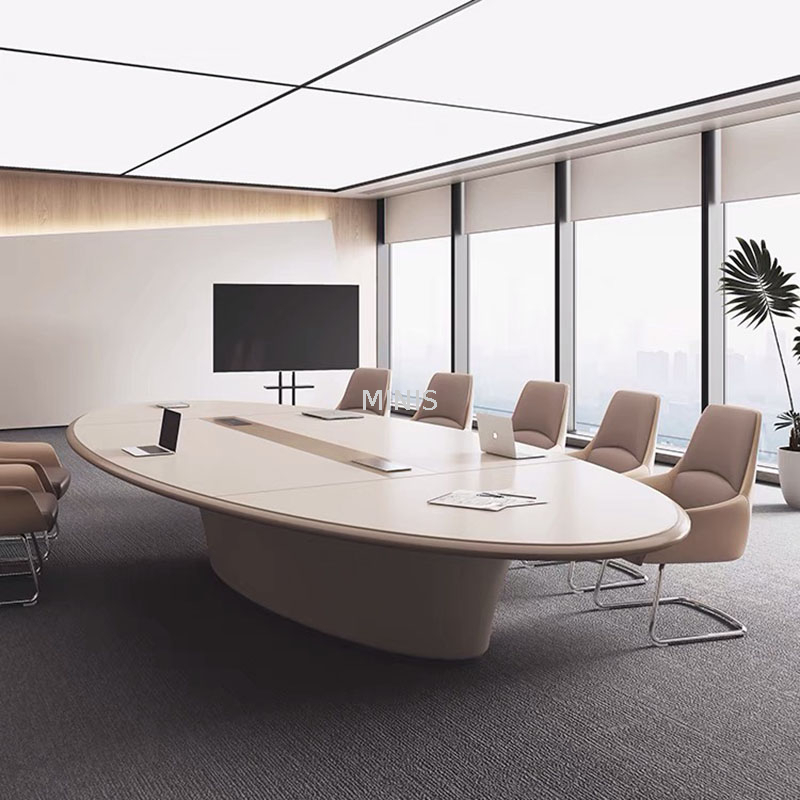
Depreciation isn't just about accounting or taxes—it also ties into sustainability. When businesses understand how their office furniture loses value over time, they can make smarter choices that benefit both the environment and their bottom line. Choosing durable, high-quality furniture reduces the need for frequent replacements. This means less waste and fewer resources used over the years. Sustainable furniture options, such as those made from recycled or responsibly sourced materials, also help businesses lower their environmental footprint. By planning depreciation and replacement cycles carefully, companies can align financial goals with eco-friendly practices.
At the end of an office furniture's useful life, responsible disposal becomes crucial. Furniture that is simply thrown away contributes to landfill waste and environmental harm. Instead, businesses should explore recycling or donating items in good condition. Many materials, like metal frames, wood, and certain plastics, can be recycled or repurposed. Some companies specialize in refurbishing office furniture, extending its life and reducing demand for new production. Proper disposal not only supports sustainability but can also provide tax benefits or positive brand recognition for eco-conscious businesses.
Office furniture depreciation reflects more than just financial loss—it signals material consumption and waste generation over time. Rapid depreciation often means shorter lifespans, which increases environmental impact due to more frequent manufacturing and disposal. Conversely, slower depreciation of well-maintained, quality furniture reduces this impact. Businesses that factor sustainability into their asset management contribute to long-term environmental health by minimizing resource depletion and pollution. This approach supports corporate social responsibility goals and meets growing consumer and stakeholder demand for greener operations.
Incorporate sustainability criteria into your office furniture purchasing and depreciation plans to reduce environmental impact and enhance your company's green credentials.
Office furniture depreciation involves spreading costs over useful life, impacting tax benefits and strategic asset management. Businesses should consider depreciation methods and factors like material quality and usage frequency. Foshan Minis Furniture Co., Ltd. offers durable, stylish furniture that retains value, enhancing long-term investments. For optimal asset management, consult professionals to align financial strategies with tax planning and sustainability goals.
A: Office furniture depreciation is the gradual loss of value over time, spreading the cost of items like desks and chairs over their useful life.
A: Depreciating office furniture reduces taxable income annually, providing tax relief by aligning expenses with revenue generation.
A: The IRS classifies office furniture as a 7-year asset, reflecting its estimated useful life for tax purposes under MACRS.
A: Calculate resale value by assessing the net book value, market demand, and condition of the office furniture.


