
Views: 0 Author: Site Editor Publish Time: 2026-02-06 Origin: Site


A well-maintained conference table is a key element in any professional space. Have you ever wondered how to properly care for your wood, glass, or laminate tables? Each type requires specific cleaning techniques to keep them in top condition. In this article, we’ll discuss how to clean and maintain these materials effectively. You’ll learn expert tips and best practices to ensure your conference tables look great and last for years to come.
To keep your wood conference table looking pristine, dust it regularly with a soft microfiber cloth. Wipe in the direction of the wood grain to avoid scratches that may occur from dust particles, which can act like abrasives. For cleaning light grime, use a damp cloth with warm water and mild soap. Always dry the surface immediately after cleaning to avoid water damage. Regular dusting helps maintain the wood’s natural shine and ensures that debris doesn't build up over time, contributing to its longevity and appeal.
Maintaining the finish of your wood conference table is key to preserving its elegance. Apply a high-quality furniture oil or conditioner every six months to keep the wood hydrated and glossy. The oil prevents the wood from drying out and cracking, ensuring it remains vibrant. In addition, using coasters and placemats is essential to protect the surface from hot drinks or spills. By integrating these practices, you ensure the table’s longevity and protect its aesthetic appeal for the long term.
Over time, wood surfaces can develop water rings or scratches. To avoid long-term damage, it’s important to clean up spills immediately. If you notice water rings, use a hairdryer on a low-heat setting to help release the trapped moisture. For minor scratches, rub a paste of baking soda and water over the area to smooth out imperfections. By staying proactive and addressing issues promptly, you can maintain the table’s natural beauty and prevent damage from setting in.

Glass conference tables require regular cleaning to maintain their sleek, modern appearance. Use a microfiber cloth along with a glass cleaner or a mixture of white vinegar and water. Spray the solution onto the cloth, not directly onto the table, to prevent liquid from seeping into the joints. Wipe the surface in gentle circular motions to remove fingerprints and smudges. Afterward, dry the surface with a clean, dry cloth to ensure a streak-free finish. Regular cleaning prevents dirt from accumulating, keeping the table looking fresh.
For tough stains on glass, the vinegar-water mixture works wonders to remove residue and grime. For stubborn spots like grease or watermarks, crumpled newspaper or a chamois cloth can help buff the surface to a streak-free shine. Using these materials helps maintain the clarity and brilliance of the glass. Avoid using harsh chemicals or abrasives, as these can damage the surface and create permanent scratches. Regular cleaning of the edges and joints also helps prevent dust buildup in those hard-to-reach areas.
While glass is durable, it’s still susceptible to scratches and damage. To avoid this, always refrain from using abrasive sponges or harsh chemical cleaners. These can cause fine scratches that affect the glass's appearance. When cleaning, focus on the joints where glass meets wood or metal. Regularly inspect these areas for any dirt or debris accumulation that can cause damage over time. Taking these steps helps preserve the table’s elegance and ensures it remains in excellent condition.
Laminate tables are low maintenance but still require daily care to keep them looking great. Wipe the surface with a damp microfiber cloth to remove dust and dirt. Be sure to dry the table immediately after cleaning to prevent moisture damage. For more stubborn dirt, use mild soap mixed with warm water and wipe it away gently. Always avoid soaking the surface, as this can lead to peeling or warping of the laminate. Regular care will keep your laminate table functional and aesthetically pleasing.
To tackle stubborn stains on laminate conference tables, use a paste made from baking soda and water. Gently rub the paste onto the stain with a soft cloth, and then wipe away with a damp cloth. For ink stains, isopropyl alcohol on a cotton ball works effectively, but be sure to blot, not rub, to avoid spreading the stain. By addressing stains promptly and with the right products, you can prevent permanent discoloration and maintain the table’s smooth surface.
To protect your laminate conference table over the long term, use coasters and placemats to prevent stains and heat damage. Avoid abrasive cleaners, as they can damage the laminate finish over time. If needed, apply furniture polish to hide minor scratches or to give the table an added shine. However, ensure that the polish doesn’t leave a residue, which can attract dust and dirt. By following these simple steps, you can significantly extend the life of your laminate table.
Water can cause irreparable damage to all types of conference tables, especially wood and laminate. Clean up spills immediately to prevent water from seeping into the surface and causing warping or swelling. Always use coasters and placemats to protect the table from hot drinks, food, and moisture. Additionally, be sure to dry surfaces after cleaning to prevent water from accumulating and causing long-term damage to the material. Regular care will help maintain the table’s appearance and durability.
Sunlight can fade the color of wooden and laminate tables, causing them to lose their vibrancy. To prevent this, position your conference table away from direct sunlight, or use UV-protective blinds or films on windows. This is especially important for wood surfaces, as they are more sensitive to UV rays. Protecting your tables from sun exposure ensures that the materials retain their color and finish, helping to prolong their life and keep them looking pristine.
Temperature and humidity fluctuations can lead to warping or cracking in wood and laminate tables. It’s essential to maintain a stable indoor environment with temperatures between 60°F and 80°F (15°C-27°C). Additionally, indoor humidity levels should be kept between 40%-50%. This helps prevent damage to materials, especially wood, which can expand or contract based on changes in moisture. Using a humidifier during dry months and ensuring consistent temperature control can significantly enhance the longevity of your conference tables.
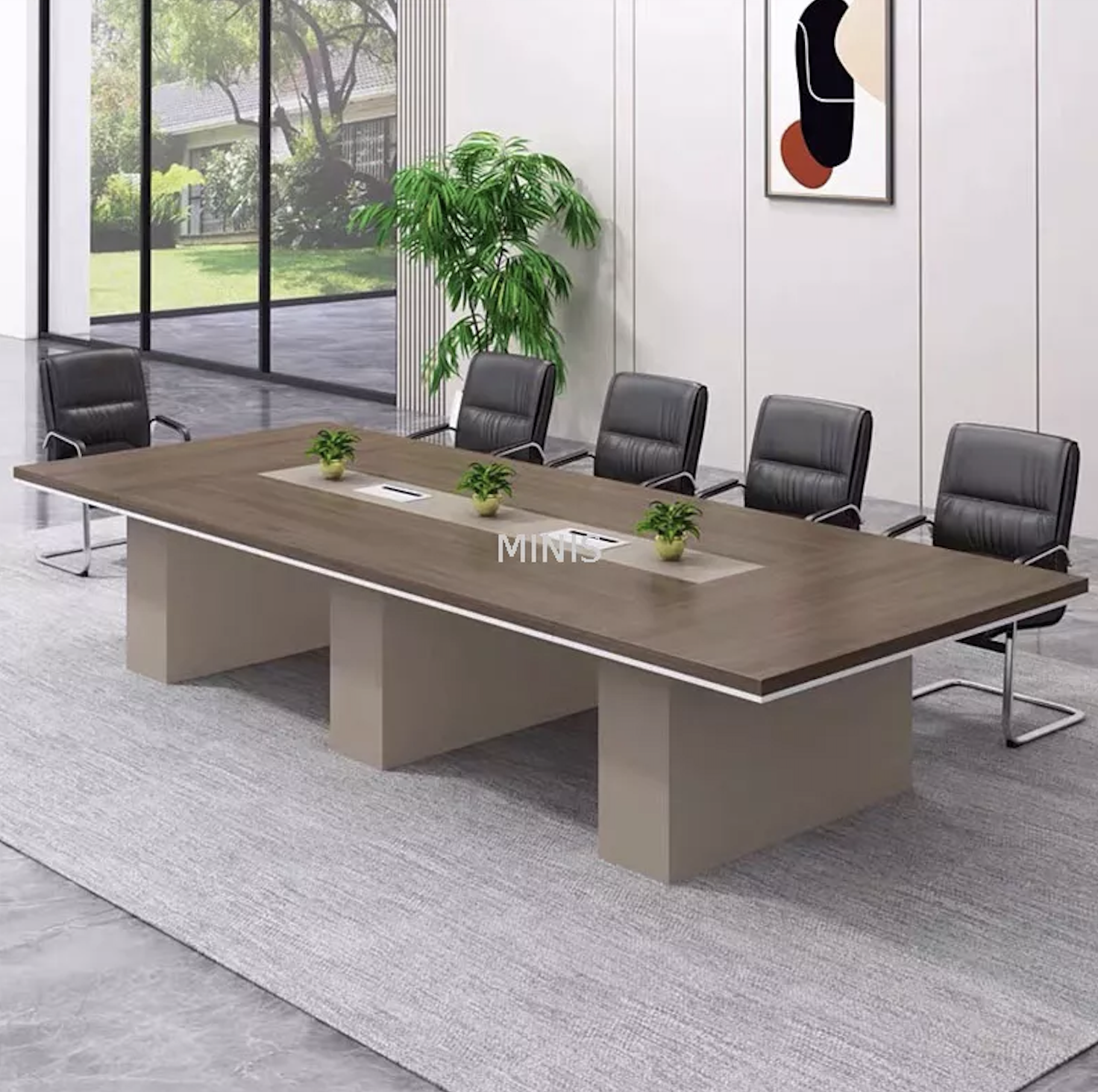
To maintain your conference table, use cleaners that are gentle and specifically designed for the table’s material. Avoid abrasive products that can scratch or damage surfaces. For wood tables, use wood-safe cleaners or mild soap and water. Glass tables require a glass cleaner that doesn’t contain ammonia or bleach, while laminate tables should be cleaned with a mild dishwashing solution. Always read product labels to ensure compatibility with the material to avoid long-term damage.
Choosing the right cleaning cloth is crucial for protecting surfaces. The appropriate cloth ensures no scratches, reduces residue, and keeps the table surface smooth and clean.
| Material | Recommended Cloth | Key Features | Cleaning Instructions | Caution |
|---|---|---|---|---|
| Wood | Microfiber Cloth | Soft, lint-free, absorbs dust easily | Wipe in the direction of the grain with light pressure. Avoid soaking the cloth. | Avoid abrasive cloths that may scratch the wood. |
| Glass | Lint-Free Cloth / Chamois | Non-abrasive, highly absorbent | Use for wiping off streaks and fingerprints. Buff the surface with a dry cloth for a streak-free finish. | Avoid paper towels, as they can leave lint and cause scratches. |
| Laminate | Microfiber Cloth | Soft, non-abrasive, highly effective | Use dampened cloth for regular cleaning. Ensure to dry immediately to avoid moisture damage. | Do not use coarse cloths, as they may scratch the laminate. |
| General Use | Microfiber / Soft Cotton Cloth | Highly absorbent, safe for all materials | Ideal for daily dusting and light cleaning. | Always clean microfiber cloths regularly to maintain effectiveness. |
Tip: Always use a microfiber cloth for regular cleaning to avoid surface damage. Avoid paper towels, which can leave behind fibers and cause scratches.
Natural cleaning products, such as vinegar and baking soda, are effective for cleaning and maintaining your conference tables without the use of harsh chemicals. These eco-friendly options are not only safer for the environment but also gentle on the surfaces of your tables. A mixture of vinegar and water can clean glass surfaces, while baking soda is ideal for tackling tough stains on laminate or wood. These alternatives help reduce exposure to harmful chemicals while maintaining a spotless table.
To prevent scratches and dents, always use coasters under beverages and placemats for hot items. Additionally, use table pads for extra protection, especially in high-traffic areas. Heavy objects should never be placed directly on the table, as they can cause permanent indentations. By adding these simple protective measures, you can significantly extend the life of your conference table and keep its surface looking new for longer.
To avoid scratches from daily use, take appropriate protective measures. Using desk pads, coasters, and other protective accessories can significantly reduce the chances of surface damage and extend the life of the table.
| Protective Measure | Purpose | Best For | Usage Instructions | Considerations |
|---|---|---|---|---|
| Coasters | Prevents heat and liquid damage | All types of tables | Place under cups, mugs, and beverages to protect the surface from heat and moisture. | Choose coasters that are non-slip to avoid sliding. |
| Placemats | Protects against scratches and spills | Wooden and laminate tables | Use under plates and hot items to avoid direct contact with the table surface. | Make sure placemats are cleaned regularly to avoid buildup. |
| Table Pads | Prevents deep scratches and dents | Wood and glass tables | Place under objects that are heavy or have sharp edges, like laptops or heavy decor. | Ensure the pads are made from soft, protective materials. |
| Furniture Covers | Protects the surface from dust and scratches | Long-term protection for all tables | Cover the table when not in use, especially during off-seasons or construction. | Store covers properly when not in use to avoid wear and tear. |
| Desk Mats | Reduces surface wear from keyboard and mouse | Glass, laminate, and wood tables | Place under keyboards, mice, and writing areas to prevent daily friction. | Ensure mats are smooth and flat to avoid causing uneven pressure. |
Tip: Always use protective covers or pads when working on the table with heavy or sharp objects to prevent long-term damage to the surface.
Professional cleaning services can be beneficial for deep cleaning or addressing significant damage. For glass tables, professional cleaning is particularly helpful in removing stubborn stains or smudges. Wood tables with deep scratches or laminate tables with peeling edges may also benefit from professional restoration. Hiring experts ensures that your table is properly cleaned and maintained, preserving its value and functionality for the long term.
Maintaining your conference tables, whether wood, glass, or laminate, is essential for ensuring they last long and retain their professional appearance. Regular cleaning, proper protection, and using the right products will keep them in top condition. By implementing these practices, you can prolong the life of your tables, keeping your workspace polished and functional. For quality furniture solutions, Foshan Minis Furniture Co., Ltd. offers durable and well-designed conference tables that meet the needs of modern offices. Their products combine style and practicality, ensuring long-lasting value for your workspace.
A: To clean wood conference tables, dust regularly with a microfiber cloth, and use a damp cloth with mild soap for grime. Dry immediately to prevent water damage. Apply furniture oil every six months to maintain the finish.
A: Use a microfiber cloth with a glass cleaner or a vinegar-water solution. Wipe in circular motions to remove fingerprints, and dry with a clean cloth for a streak-free finish. Avoid abrasive sponges to prevent scratches.
A: To protect laminate conference tables, use coasters and placemats to prevent stains and heat damage. Clean with a damp cloth and mild soap, and avoid abrasive cleaners to preserve the finish.
A: Regular maintenance for conference tables helps preserve their appearance, prevents long-term damage, and extends their lifespan. It also keeps your workspace looking professional and functional.
A: It’s important to use materials and products specific to the type of conference table you have. Wood, glass, and laminate each require different care, so using the right cleaner ensures no damage is done.


