
Views: 0 Author: Site Editor Publish Time: 2026-05-20 Origin: Site


Premium outdoor pieces demand a significant upfront commitment. Buyers must evaluate their options carefully before purchasing. You need to separate authentic, lifetime-grade wood from cheap chemically treated imitators. Many brands sell "teak-finished" items. They rarely last more than a few seasons. Finding genuine quality matters for long-term outdoor enjoyment.
We will clarify the vital differences between highly water-resistant natural wood and synthetic waterproof outdoor furniture. This knowledge grounds your purchasing decision in reality. You will learn exactly how to configure the right setup for your space. We will explore structural joinery, cushion materials, and grading standards. By understanding these core elements, you can select pieces built to endure decades of harsh weather.
No natural timber is entirely waterproof. Even the most robust woods absorb trace amounts of moisture. However, authentic teak wood excels in extreme environments. It possesses exceptionally high silica and natural rubber content. These internal compounds make the timber functionally impervious to wet-weather degradation. You can leave it exposed to heavy rain without fearing immediate rot.
The natural oils serve a critical structural purpose. They prevent water from deeply penetrating the wood grain. This mechanism stops freeze-thaw cracking in colder climates. When water freezes, it expands. If timber absorbs too much water, freezing temperatures will split the boards. Dense grain structures also resist warping during heavy rain-to-sun transitions. The wood remains dimensionally stable across rapid humidity changes.
You must maintain a skeptical buyer mindset. Warn against brands claiming their natural wood is completely waterproof without explaining the underlying biology. Some manufacturers rely on heavy surface varnishes to repel water. You should avoid these coated products entirely. Surface varnishes trap internal moisture. They will inevitably peel, blister, and flake when left outdoors. True performance comes from within the wood itself, not from a synthetic topcoat.
You must understand industry grading systems to identify lasting quality. Manufacturers divide timber into three primary categories. These grades dictate the longevity and performance of your outdoor teak furniture. Grade A represents the absolute pinnacle of quality. Harvesters source this heartwood directly from the center of mature trees. It boasts the highest oil concentration and displays a uniform golden-brown color. Grade A is the only tier suitable for legacy outdoor pieces.
Grade B and Grade C come from the outer sections of the tree. Experts call this sapwood. Sapwood contains significantly lower oil levels. It features wild color variations and distinct pale streaks. Many manufacturers use chemical stains to disguise Grade B or C wood. They want it to look like premium heartwood. Unfortunately, this lower-grade timber remains highly susceptible to rot, mildew, and insect damage if left unprotected outdoors.
Ethical sourcing matters just as much as grading. Look for Forest Stewardship Council (FSC) certification. This documentation ensures the timber comes from sustainable, responsibly managed plantations. It mitigates environmental and supply-chain risks. Uncertified wood often contributes to illegal logging and deforestation.
Manufacturing standards also define structural integrity. Verify the supplier uses a proper kiln-drying process. They should never rely on passive air-drying. Kiln drying brings the timber to a target moisture content of 8-12%. This precise equilibrium ensures maximum dimensional stability. Kiln-dried boards will not twist or crack in fluctuating outdoor humidity.
| Grade Category | Source Location | Oil Concentration | Durability Profile | Visual Appearance |
|---|---|---|---|---|
| Grade A (Heartwood) | Center of mature trees (30+ years) | Exceptionally High | Decade-spanning lifespan; highly rot-resistant | Uniform golden-brown; tight, invisible grain |
| Grade B (Outer Heartwood) | Mid-section of the tree log | Moderate | Prone to checking and mild rot over time | Uneven coloration; visible dark and light streaks |
| Grade C (Sapwood) | Outer living layers of the tree | Very Low | Fails quickly outdoors; requires heavy treatment | Pale, whitish color; often heavily chemically stained |
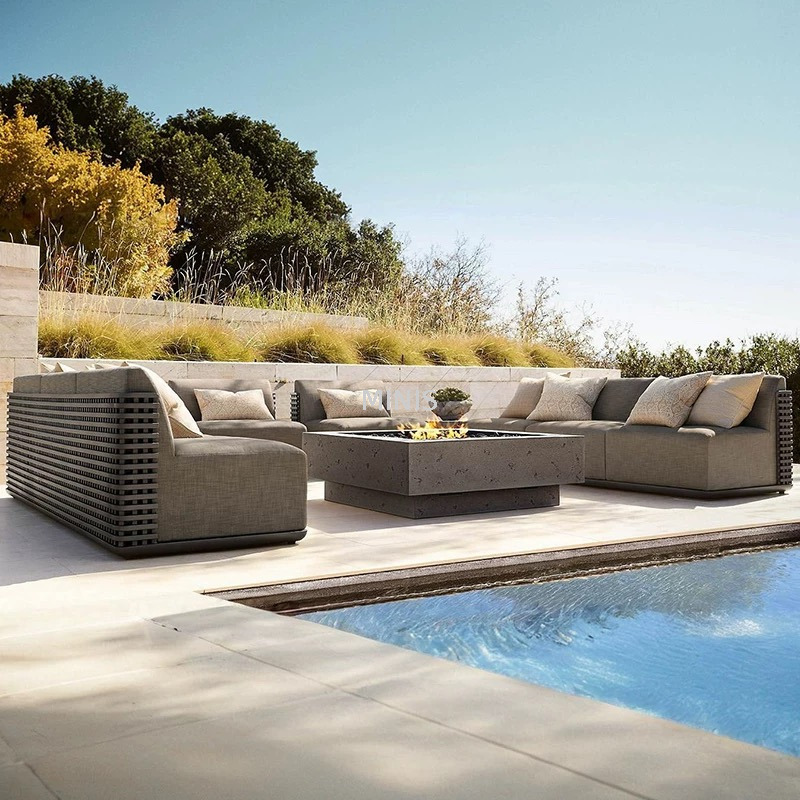
A high-quality garden sofa provides the ultimate foundation for passive outdoor lounging. However, structural execution dictates its true lifespan. You must evaluate the underlying joinery before looking at the fabric. Look specifically for traditional mortise-and-tenon joints. Master builders reinforce these joints using solid wooden dowels. This method creates an incredibly strong bond.
Avoid frames assembled primarily with metal screws or basic bolts. Wood naturally expands and contracts with seasonal temperature shifts. Screwed-together frames cannot handle this constant microscopic movement. The metal threads eventually strip the wood. The sofa frame will slowly loosen, wobble, and ultimately fail under heavy seating loads. Traditional wooden joinery moves synchronously with the frame.
Cushion integration requires equal scrutiny. A premium timber frame becomes completely useless if the cushions harbor toxic mildew. You must require advanced upholstery materials. Standard polyurethane foam acts like a sponge. It traps rainwater and breeds mold.
Consider the scale and physical weight of the piece. Authentic heartwood is exceptionally dense and heavy. A large, deep-seating sofa configuration creates substantial static loads. Factor in this total weight when planning placement on older wooden decks, floating patios, or high-rise balconies. The sheer mass ensures the pieces will not blow away during severe storms.
Selecting a teak dining set requires careful spatial planning. You must evaluate table styles based on physical constraints and your typical guest capacity. A fixed rectangular table offers unmatched structural rigidity. It serves as a striking monolithic centerpiece. However, smaller patios often require flexibility. Double-butterfly extension tables provide an excellent compromise. They allow you to collapse the leaves internally when hosting intimate family dinners.
Expanding tables introduce hidden mechanical risks. You must deeply assess the folding mechanisms underneath the tabletop. Inferior tables utilize cheap zinc or standard steel hinges. These metals react terribly to outdoor humidity. They will quickly oxidize and bleed dark rust stains directly into the surrounding timber. These stains prove nearly impossible to remove.
Ensure all hinges, tracks, and guide pins consist of solid brass or marine-grade stainless steel. Specifically, look for 304 or 316-grade stainless steel. These alloys resist severe oxidation, even in aggressive saltwater coastal environments. Marine-grade hardware ensures the extension leaves operate smoothly for decades.
Chair configurations greatly impact the daily usability of your garden dining set. You face a choice between folding side chairs and heavy fixed armchairs. Folding chairs offer incredible storage efficiency. You can stack them away during brutal winter storms. Heavy fixed armchairs provide superior ergonomic comfort and undeniable durability. Always choose fixed chairs featuring slatted seat designs. Solid flat seats collect standing rainwater, which accelerates surface wear. Slatted designs promote rapid drainage.
Owning premium outdoor furniture involves managing natural weathering processes. You must set realistic aesthetic expectations from day one. Unfinished wood will inevitably transition from a warm golden-brown to a distinguished silvery-gray patina. This dramatic color shift typically occurs within 6 to 12 months of direct UV exposure. Microscopic surface cells dry out and oxidize in the sunlight. You must understand this represents a purely cosmetic change. It does not indicate structural degradation.
Maintenance requires selecting a specific long-term path. You cannot mix methodologies easily.
Proper risk mitigation ensures your pieces survive decades of use. You must strictly avoid using high-pressure power washers on your patio furniture. A pressure washer strips away the softer wood fibers between the dense grain lines. This aggressive force destroys the cellular structure. It leaves behind a deeply pitted, rough, and splintery surface. Once damaged by pressure washing, the wood requires exhaustive manual sanding to restore its original smooth finish.
Common mistakes also include placing potted plants directly onto the table surfaces. Trapped moisture beneath ceramic pots creates dark water rings. Always elevate planters using rubber risers or small protective stands. This allows air to circulate underneath the pots, keeping the tabletop entirely dry.
Selecting premium outdoor pieces requires strict adherence to grading and structural standards. You should prioritize Grade A, responsibly sourced heartwood. Ensure the manufacturer utilizes proper kiln-drying techniques to stabilize the boards. Insist on traditional mortise-and-tenon joinery reinforced with wooden dowels. These construction methods guarantee long-term stability and unmatched durability against severe weather.
Align your final purchase directly with your daily lifestyle. Choose a deep-seated lounge configuration for relaxed, passive weekends. Opt for an expanding dining table if you frequently host large evening gatherings. Both setups require distinct spatial considerations.
Review the exact physical dimensions of your patio area today. Map out the layout using painter's tape to verify walking clearances. Finally, request raw wood samples or official FSC certification documents from your shortlisted vendors. Verifying these details guarantees you receive authentic, lifetime-grade materials.
A: Yes, you can leave it outdoors year-round. Its dense natural oils prevent internal moisture absorption, halting freeze-thaw damage. However, in regions with severe snowfall, using breathable, highly ventilated structural covers helps keep the surfaces clean. Never use cheap plastic tarps, as they trap condensation and rapidly accelerate mildew growth underneath.
A: This normal process is called "checking." As wood acclimates to your local micro-climate, slight variations in humidity cause the end-grain to expand and contract. Minor hairline cracks occasionally appear on the surface or at the ends of armrests. Checking remains purely cosmetic and does not compromise the structural integrity of the piece.
A: No. Genuine heartwood possesses enough internal rubber and silica to naturally repel heavy moisture for decades. Chemical treatments, oils, and synthetic sealers serve only one purpose: aesthetic color preservation. Treating the timber prevents the silvery-gray patina from forming, but it adds zero functional moisture protection to the core wood.
