
Views: 0 Author: Site Editor Publish Time: 2025-09-29 Origin: Site


Arranging office furniture effectively is essential for creating a workspace that promotes productivity, comfort, and style. A well-organized office not only enhances functionality but also reflects your personal taste and professionalism. This guide will walk you through the key steps in understanding your office space, selecting the right furniture, and designing an efficient layout that maximizes both natural light and visual balance. Whether you're setting up a home office or redesigning a corporate space, these principles will help you create an inspiring environment tailored to your needs.
Before arranging office furniture, it’s crucial to understand the space you’re working with. Start by measuring the dimensions of your office. Measure the length, width, and height of the room. Don’t forget to note the location of windows, doors, and electrical outlets. These details help you decide where furniture can fit without blocking natural light or access points.
Next, consider the shape of the room. Is it a simple rectangle or does it have nooks and corners? Irregular shapes may require more creative solutions to make the best use of space. Use graph paper or digital tools to sketch a floor plan. This visual helps you experiment with different furniture placements before moving heavy pieces.
Identify the purpose of your office space. Are you creating a private workspace, a collaborative area, or a mix of both? For example, a private office may need a large desk and storage for files, while a collaborative space could benefit from multiple seating options and open areas for teamwork. Knowing how you’ll use the space guides your furniture choices and layout.
Also, think about the flow of movement. You want clear pathways that allow easy access to desks, storage, and exits. Avoid crowding the entryway or placing large furniture where it blocks traffic. Aim for at least 3 feet of walking space between furniture pieces to keep the office feeling open and safe.
Consider the natural light sources. Position desks near windows if possible, but avoid glare on computer screens. Take note of how sunlight moves through the room during the day. This can affect where you place seating or workstations to maximize comfort and productivity.
In summary, understanding your office space means:
● Measuring all dimensions and noting features like doors and windows
● Sketching a floor plan to visualize layout options
● Defining the space’s purpose to guide furniture needs
● Planning clear pathways for smooth traffic flow
● Considering natural light and its impact on work areas
By carefully evaluating these factors, you create a strong foundation for arranging your office furniture in a way that supports productivity, comfort, and style.
Always measure your office space twice and create a simple floor plan before buying or moving furniture to avoid costly mistakes and maximize your workspace efficiency.
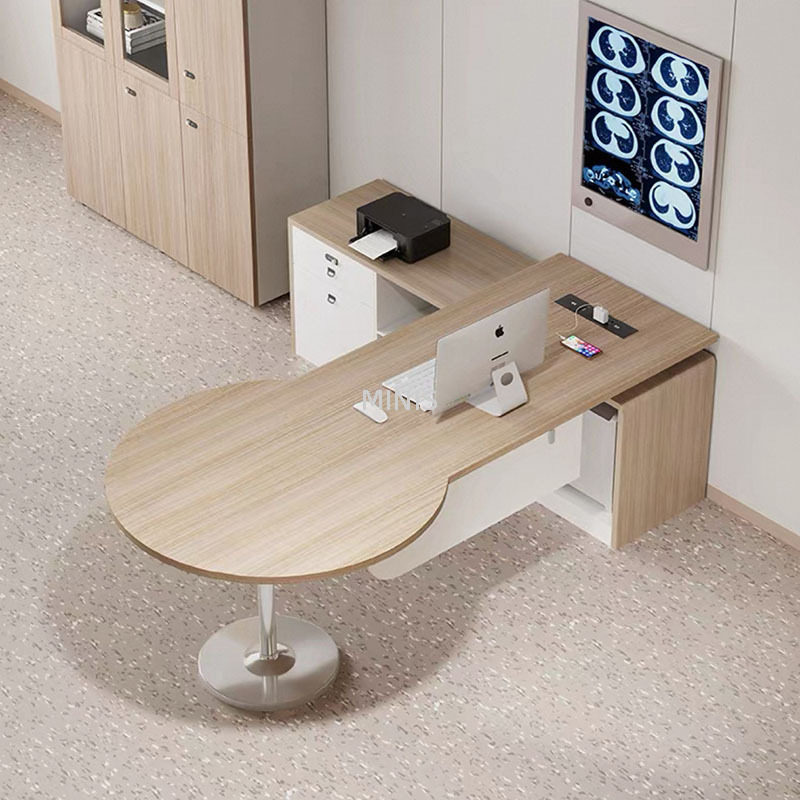
Selecting the right office furniture is key to creating a workspace that’s both comfortable and efficient. The right pieces support your work style and help maintain good health during long hours.
Ergonomic furniture is designed to fit the human body and reduce strain. When choosing chairs, look for adjustable features: height, lumbar support, armrests, and tilt. These adjustments help maintain proper posture and reduce back pain.
For desks, consider adjustable-height options. Sit-to-stand desks let you switch between sitting and standing throughout the day, improving circulation and reducing fatigue. Desks should offer enough surface area for your computer, paperwork, and other essentials without feeling cramped.
Ergonomic furniture isn’t just about comfort; it boosts productivity by keeping you focused and pain-free. For example, an adjustable chair can prevent slouching, which reduces neck and shoulder tension.
Durability matters because office furniture sees daily use. Choose materials like solid wood, metal frames, or high-quality plastics that can withstand wear and tear. Durable furniture saves money over time by reducing replacement costs.
Style influences the mood and professionalism of your office. Furniture that matches your brand colors or office theme creates a cohesive look. Stylish furniture also makes the space inviting for clients and employees.
Remember, furniture should balance form and function. For instance, a sleek desk with built-in storage keeps clutter out of sight while enhancing the room’s appearance.
● Material choice: Leather chairs look professional but may need more upkeep than mesh or fabric.
● Mobility: Chairs with wheels and lightweight desks allow easy rearrangement.
● Storage: Incorporate filing cabinets or shelves that fit the office size and style.
● Budget: Invest in quality pieces for long-term benefits but prioritize essentials first.
Choosing the right office furniture creates a foundation for a productive, healthy, and attractive workspace.
When selecting office furniture, test chairs and desks in person if possible to ensure comfort and proper fit before purchasing.
Planning the floor plan carefully is essential to make your office functional and comfortable. Start by placing key pieces, like desks and storage, where they won't block natural light or traffic paths. Avoid clustering all furniture in one spot to keep the space balanced and open.
Think about how people will move around. Clear pathways let everyone navigate easily without bumping into furniture. Aim for at least 3 feet of walking space between pieces. This not only prevents frustration but also reduces safety risks during emergencies.
Arrange desks and chairs so employees can access everything they need quickly. For example, place filing cabinets near desks but out of the way of main walkways. This keeps supplies handy without cluttering the room.
Consider creating separate zones for different activities. A quiet area for focused work, a collaborative space for teamwork, and a spot for breaks can improve productivity. Each zone should have enough room to serve its purpose without feeling cramped.
Use furniture that’s easy to move if your office needs to adapt. Rolling chairs and lightweight tables allow quick rearrangement for meetings or projects. Modular furniture can also help create flexible layouts.
Keep large pieces like bookshelves or filing cabinets against walls to free up central floor space. But don’t push every piece against the wall—sometimes placing a desk or seating away from walls creates better flow and openness.
When planning your layout, think about the first impression when entering the office. A clear entryway with no bulky furniture creates a welcoming feel and helps visitors and employees orient themselves quickly.
In summary, an efficient office layout means:
● Planning clear, wide pathways for easy movement
● Distributing furniture evenly to avoid crowding
● Creating distinct zones for different work activities
● Using flexible, movable furniture to adapt the space
● Keeping entryways open and inviting
Before moving heavy furniture, sketch your floor plan on paper or use a digital tool to test different layouts. This saves time and effort while finding the best arrangement for your office.
Natural light plays a huge role in creating a productive and pleasant office environment. When arranging your office furniture, positioning desks near windows is one of the smartest moves you can make. This placement lets you soak up daylight, which helps improve mood, reduce eye strain, and boost energy levels throughout the workday.
However, you want to avoid glare on your computer screen. Try placing desks perpendicular to windows rather than directly facing or backing them. This setup lets natural light brighten the space without causing uncomfortable reflections or harsh shadows. If glare remains an issue, consider using adjustable blinds or sheer curtains to soften the light.
Mirrors are another clever way to enhance natural light in your office. Strategically placing mirrors opposite or adjacent to windows reflects sunlight deeper into the room. This trick makes the space feel brighter and larger without adding extra lamps or bulbs. For example, a well-placed mirror on a wall across from a window can bounce light into darker corners, improving overall illumination.
Besides increasing brightness, natural light can help regulate your body’s internal clock, keeping you alert during work hours and promoting better sleep at night. Studies show employees who get more daylight tend to have higher productivity and better well-being.
When planning your office layout, consider these tips:
● Place desks near windows but avoid direct glare on screens
● Use adjustable window treatments to control light intensity
● Add mirrors to reflect light and brighten shadowed areas
● Choose light-colored furniture and walls to enhance brightness
● Keep window areas free from bulky furniture that blocks sunlight
By maximizing natural light, you create an inviting workspace that supports focus and comfort. It’s a simple yet effective way to boost productivity and make your office a happier place to work.
Position your desk so natural light comes from the side, not directly behind or in front, to reduce screen glare and eye fatigue.
Creating visual balance in your office means spreading furniture evenly across the space. Avoid clustering all big items in one corner while leaving other walls empty. This unevenness can make the room feel lopsided and uncomfortable.
When placing desks, chairs, and storage units, try to balance their "visual weight." For example, if you have a large bookshelf on one side, balance it with a desk or artwork on the opposite wall. This helps the room feel stable and inviting.
Don’t push all furniture against the walls. Sometimes, placing a desk in the middle or slightly away from the wall opens up the floor and creates a more dynamic space. This arrangement encourages better flow and avoids a cramped feeling.
Walls offer valuable real estate for storage and decoration. Use shelves, cabinets, or pegboards to keep items off the floor. This reduces clutter and frees up walking space.
However, avoid covering every inch of wall space with furniture or decor. Leaving some bare areas gives the eye a place to rest and prevents the room from feeling crowded.
Consider hanging large art pieces or a statement mirror on empty walls to add interest without taking up floor space. Plants on floating shelves also bring life and color without clutter.
● Place heavy or tall furniture opposite lighter pieces
● Mix furniture heights to avoid monotony
● Use rugs to anchor furniture groupings
● Keep walkways clear and open
● Balance decorative elements on walls and surfaces
Imagine an office with a big filing cabinet on the left wall. To balance it, place a medium desk on the right side and hang a large piece of art above the desk. Add a plant on a shelf near the cabinet to soften its bulk. This setup feels harmonious and well thought out.
By maintaining visual balance, you create an office space that’s not only functional but also pleasant to spend time in. It helps reduce stress and keeps your mind focused on work.
When arranging furniture, step back periodically and look at the room from the doorway to check if the space feels balanced and inviting.
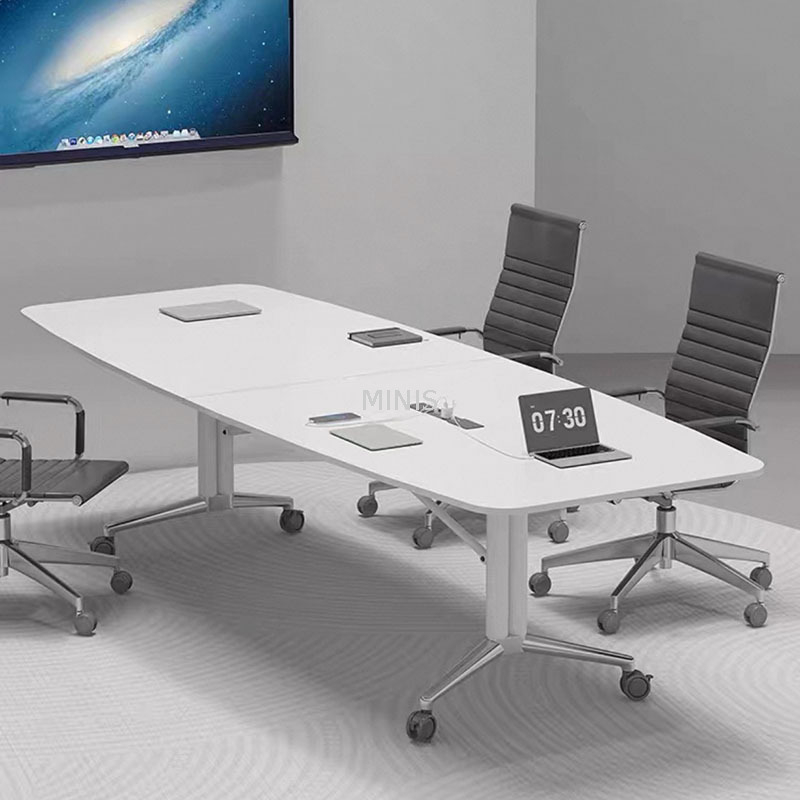
Adding personal touches to your office space can transform it from a plain work area into a place where you feel inspired and comfortable. Personalization helps reduce stress, boosts mood, and makes the space uniquely yours. Let’s explore how artwork, plants, and other elements can enhance your workspace.
Artwork is a powerful way to inject personality and creativity into your office. Choose pieces that motivate you or bring a sense of calm. For example, abstract paintings can spark creativity, while nature scenes promote relaxation. Hang art at eye level to create focal points that draw attention and add visual interest.
Plants are another excellent addition. They improve air quality, reduce stress, and add a splash of color. Consider low-maintenance options like succulents, snake plants, or pothos if you don’t have a green thumb. Place plants on shelves, desks, or in corners to soften sharp edges and bring life to the room.
Together, artwork and plants make the office feel more welcoming and less sterile. They also give you something pleasant to look at during breaks, which can refresh your mind.
Beyond decor, personal touches include items that reflect your identity and work style. This could be family photos, awards, or souvenirs from travels. Display these on shelves, desks, or bulletin boards where they inspire you without cluttering the space.
Consider adding functional yet personal items like a stylish desk organizer, a unique lamp, or a cozy rug. These details create comfort and make the office feel like your own domain.
Remember, personalization should enhance productivity, not distract. Keep the workspace tidy by limiting personal items to a few meaningful objects.
● Choose artwork that resonates with your goals or mood
● Add plants that suit your lighting and maintenance preferences
● Display personal items neatly to avoid clutter
● Use color and texture to add warmth and character
● Rotate decor periodically to keep the space fresh and inspiring
By thoughtfully incorporating personal touches, you create a workspace that nurtures creativity, focus, and well-being. This balance between professionalism and personality helps sustain motivation throughout the workday.
Select a few meaningful personal items and arrange them in a dedicated area to keep your workspace organized and inspiring without overwhelming it.
Understanding office space, choosing ergonomic furniture, and creating efficient layouts enhance productivity. Experimenting with natural light and personal touches further improves the workspace. Foshan Minis Furniture Co., Ltd. offers quality office furniture that combines style and function, ensuring a productive and comfortable environment.
A: The first step in arranging office furniture is understanding your office space by measuring dimensions and noting features like doors and windows.
A: Choose office furniture with ergonomic features like adjustable chairs and sit-to-stand desks to support health and productivity.
A: Natural light enhances productivity, mood, and comfort by reducing eye strain and boosting energy levels when arranging office furniture.
A: Distribute office furniture evenly and use wall space for storage and decoration to create a balanced and inviting environment.


