
Views: 0 Author: Site Editor Publish Time: 2026-06-10 Origin: Site


Designing a living room often forces a tough choice between visual appeal and pure relaxation. Traditional bulky leather recliners can severely disrupt a modern, curated aesthetic. However, sacrificing ergonomic support simply leaves you with stiff, uninviting spaces. Fortunately, furniture design has evolved, meaning you no longer have to compromise.
Today, streamlined fabric models blend seamlessly into contemporary layouts while offering top-tier physical support. The industry has shifted away from overstuffed silhouettes toward tailored designs featuring advanced performance textiles and hidden mechanisms. This guide provides an objective breakdown of how to evaluate, select, and seamlessly integrate a fabric reclining chair footrest combination into your home.
We will explore structural construction, fabric durability, and essential spatial planning techniques. By the end, you will know exactly how to secure genuinely comfortable seating without ruining your room's sophisticated layout or compromising your posture.
Fabric Performance Matters: High-traffic living rooms require performance fabrics (e.g., Crypton, Olefin) with high rub-count ratings, not just standard cotton or linen blends.
Mechanism Dictates Footprint: The choice between a push-back manual recliner, a power mechanism, or a separate ottoman fundamentally changes the required wall clearance and floor space.
Construction Over Aesthetics: A long-lasting lounge chair relies on kiln-dried hardwood frames, steel reclining mechanisms, and high-resiliency (HR) foam.
Spatial Planning is Non-Negotiable: Buyers must measure for the "fully extended" footprint, not just the upright dimensions, to avoid layout bottlenecks.
Homeowners frequently face a distinct design dilemma. You want an ergonomic oasis at the end of a long day, but you do not want your living room to look like a generic home theater. Traditional recliners often feature overly puffy arms and heavy bases. They look distinctly out of place in carefully curated spaces featuring sleek lines and modern decor.
Fabric upholstery changes this dynamic entirely. A slender living room armchair wrapped in a textured weave creates a much lighter visual footprint compared to an overstuffed leather alternative. Fabric softens the harsh angles of the room. It absorbs light rather than reflecting it, which helps the chair blend harmoniously with your existing sofas and rugs.
Beyond visual appeal, breathability stands out as a major functional advantage. Leather retains body heat and can feel sticky during summer months or freezing cold in the winter. Fabric naturally regulates temperature much more effectively. If you plan on sitting for extended periods to read or watch movies, a woven fabric surface allows air to circulate, keeping you consistently comfortable regardless of the season.
The defining feature of any functional chair is how it supports your legs and back. Choosing the right mechanism impacts both the physical durability of the furniture and the daily flow of your room.
Integrated footrests remain incredibly popular because they save valuable floor space. When the chair sits upright, the footrest tucks away completely. This hidden functionality keeps your room looking tidy. On the other hand, choosing a separate ottoman offers different advantages. An ottoman pairs beautifully with Mid-Century Modern aesthetics. It visually breaks up the seating arrangement and can easily double as an extra seat when guests arrive. However, an ottoman requires a permanent, larger floor footprint. You cannot simply fold it away when you need to vacuum or create more walking space.
Your choice between manual and power operation should align with who will use the chair most frequently.
Manual Push-Back: These models rely on your body weight and simple leverage. They contain fewer moving parts, which dramatically reduces the chances of mechanical failure over time. Because they require no electricity, you can place them anywhere in the room. They also tend to feature sleker profiles since they hide no bulky motors.
Power Mechanisms: Motorized options allow for infinite angle adjustments. You can stop the recline at the exact millimeter that feels best. They serve as an excellent solution for users with mobility issues or joint pain. However, they require close proximity to an electrical outlet or rely on rechargeable battery packs.
Every moving part introduces a potential point of failure. Hidden motorized mechanisms offer luxury, but motors can burn out, and power switches can malfunction. Simple manual hinges offer greater long-term reliability. If you opt for a power model, pay close attention to the brand of the motor itself. Reputable manufacturers use high-quality steel mechanisms and dual-motor systems (allowing independent control of the backrest and footrest) rather than cheap, unified plastic gearboxes.
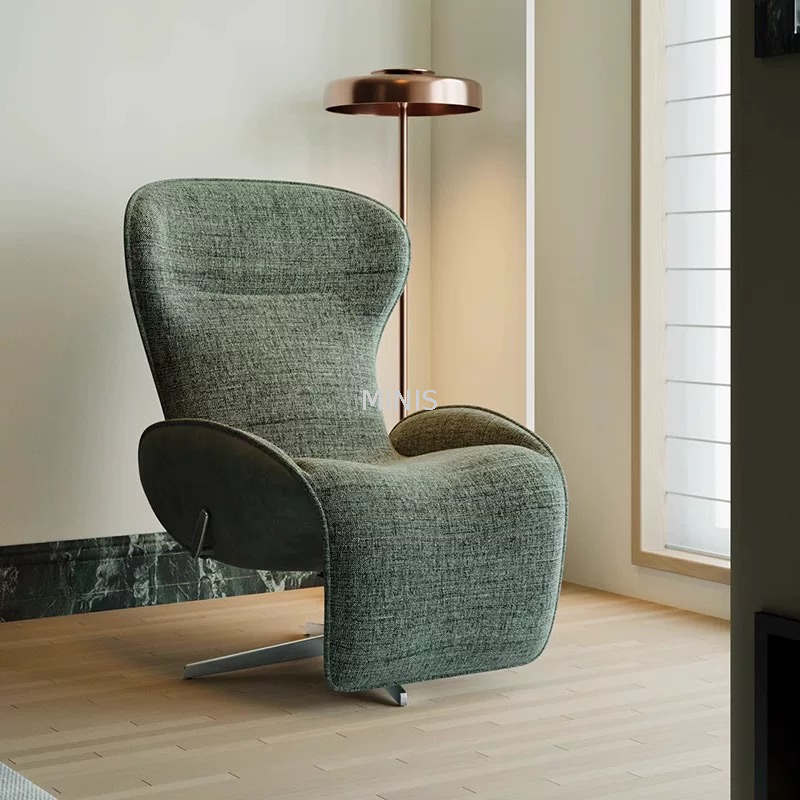
A beautiful chair means nothing if it sags after six months. Prioritizing internal construction guarantees your investment will withstand daily use. Approach the buying process with a healthy dose of skepticism regarding exterior aesthetics.
The foundation of any high-quality piece is its frame. Always look for a kiln-dried hardwood or heavy-duty metal frame. Kiln drying removes excess moisture from wood, preventing it from warping, snapping, or squeaking over the years. Avoid chairs that rely heavily on particleboard or engineered wood in structural areas. For suspension, seek out sinuous springs (heavy-gauge steel wires running front-to-back) or high-tension webbed seating. These systems prevent the cushion from bottoming out.
Cushion longevity depends almost entirely on foam density, not just thickness. Manufacturers measure foam density in pounds per cubic foot. You should prioritize cushions with a 1.8 to 2.2 lb foam density. This range strikes the perfect balance. It feels plush when you first sit down, but it possesses enough structural integrity to retain its shape after years of compression.
Demand complete transparency regarding fabric durability. The furniture industry uses specific rub tests—typically Martindale or Wyzenbeek—to measure how well a fabric resists abrasion. For heavy residential use, aim for fabrics rated at 30,000 double rubs or higher. Additionally, assess the material for stain-resistant treatments. Modern performance fabrics like Crypton or solution-dyed acrylics repel liquid, making them ideal for light-colored upholstery in active households.
Fabric Durability and Use-Case Guidelines | ||
Double Rub Rating (Wyzenbeek) | Durability Level | Best Suited For |
|---|---|---|
Under 10,000 | Delicate / Light Duty | Formal living rooms, rarely used accent pieces. |
10,000 to 15,000 | Medium Duty | Adult-only households, occasional reading chairs. |
15,000 to 30,000 | Heavy Duty | Main living spaces, frequent daily use. |
30,000+ | Commercial / Extreme Duty | Homes with pets, children, or highly active environments. |
One of the most common mistakes buyers make is evaluating a chair based solely on its upright dimensions. A piece of furniture that looks perfectly proportioned in a showroom can quickly swallow your living room once fully reclined.
Understanding recline mechanics prevents layout disasters. Standard recline mechanisms pivot backward from the base. Consequently, they require a significant amount of rear clearance—typically anywhere from 12 to 18 inches away from the wall. If you place a standard model too close to a wall, the backrest will scrape the paint every time you lean back.
Wall-hugger designs utilize a forward-gliding track system. As you recline, the seat of the chair slides forward while the back tilts. This ingenious design drastically reduces the required rear clearance to just 3 to 6 inches, making them essential for apartments or tighter living spaces.
To guarantee your walkways remain functional, you must map the fully extended footprint before purchasing. Here is the safest method to test the dimensions in your home:
Locate the "fully reclined depth" measurement on the manufacturer's specification sheet.
Identify the exact spot in your living room where the front legs of the chair will rest.
Use painter's tape to mark the chair's width on the floor.
Measure backward from the front leg marks to map the upright depth, then measure forward to map where the extended footrest will land.
Walk around the taped area. Ensure you have at least 18 inches of clearance between the extended footrest and your coffee table to allow easy passage.
If you select a power model for an open-concept living room, cord management becomes a serious aesthetic and safety issue. Trailing power cords create tripping hazards and ruin a clean layout. To tackle this, consider placing the chair over a strategically positioned floor outlet or hiding the cord beneath a large area rug. Alternatively, many premium brands now offer discrete, rechargeable lithium-ion battery packs. A single charge can often power the chair for weeks, completely eliminating the need for a visible power cord.
Now that you understand the mechanics, construction, and spatial requirements, you can systematically filter your options down to the perfect match.
Your daily habits should dictate your final selection:
Heavy everyday use: If this piece will serve as your primary spot for nightly television viewing, prioritize advanced performance fabrics and heavy-duty power mechanisms. A reliable recliner chair built with a wall-hugger track will maximize longevity and comfort.
Accent or Occasional use: If you only intend to use the piece for weekend reading or entertaining guests, shift your focus toward aesthetics. A stationary lounge chair paired with a matching ottoman, or a simple manual push-back model, delivers high style without the mechanical complexity.
Never finalize a purchase without reading the fine print. A credible manufacturer clearly outlines separate warranty timelines for different components of the chair. You should expect a lifetime warranty on the internal frame and spring suspension. The reclining mechanism (whether manual or motorized) should carry a reliable 3-to-5-year guarantee. Finally, the fabric upholstery and foam cushion inserts generally feature a 1-to-3-year warranty against premature wear or defects.
Comparison Chart: Manual vs. Power Mechanisms | ||
Feature | Manual Push-Back | Power Motorized |
|---|---|---|
Room Placement | Unlimited; no cords attached. | Requires outlet or battery pack. |
Positioning | 2 or 3 preset locking positions. | Infinite micro-adjustments. |
Maintenance Risk | Low; simple steel hinges. | Moderate; motors and switches can fail. |
Design Aesthetic | Often sleeker, visually lighter. | Can be slightly bulkier to hide hardware. |
Do not rely solely on digital photos to choose your upholstery. Computer monitors alter color temperatures, and they cannot convey texture. Before committing to a large purchase, always order fabric swatches. Pin them to your existing sofa. Observe how the fabric looks under your specific home lighting during the day and at night. Rub the swatch against your skin to verify it does not feel scratchy.
Securing the perfect relaxation setup requires a calculated intersection of structural integrity, fabric technology, and spatial awareness. By shifting away from outdated, bulky leather designs, you invite modern elegance and breathable comfort into your home.
Remember that prioritizing internal construction yields a much better return on investment than shopping purely based on exterior aesthetics. Kiln-dried frames, high-density foam, and performance-rated textiles ensure your piece maintains its shape and support for years.
Before you click buy or finalize a showroom order, take the time to physically map out the fully reclined dimensions on your living room floor. Then, order those physical fabric swatches. Taking these practical steps guarantees your new furniture seamlessly enhances both your interior design and your daily comfort.
A: The necessary wall clearance depends entirely on the mechanism. Standard reclining models need up to 18 inches of rear clearance to tilt fully backward. Conversely, modern wall-hugger designs glide forward as they recline, requiring only 3 to 6 inches of space. Always check the manufacturer's exact spec sheet before purchasing.
A: Historically yes, but modern performance fabrics have closed the gap significantly. Textiles treated for liquid repellency and stain resistance (like Crypton or high-grade synthetics) allow spills to bead up on the surface, making them remarkably easy to wipe clean compared to untreated natural fibers.
A: Reupholstering a recliner proves complex and expensive due to the intricate moving parts and hidden hardware. It is highly recommended to invest in durable, neutral, high-performance fabric upfront rather than planning to reupholster the piece a few years down the line.
A: A recliner features a mechanical back and an integrated footrest that actively shifts your center of gravity when deployed. A lounge chair typically features a fixed, permanently angled backrest and relies on a separate, detached footrest (ottoman) to elevate your legs.


